Category: Health & Fitness

Ihre Zweck Von Online Pharmakologe Durch Verwalten Langfristigen Gesundheits KrankheitenIhre Zweck Von Online Pharmakologe Durch Verwalten Langfristigen Gesundheits Krankheiten


Der Online-Apothekenmarkt in Deutschland haben in den letzten Jahren einen bemerkenswerten Aufstieg erlebt und sind nun eine wesentliche Säule der modernen Apothekenversorgung. Der Trend zu Online-Shopping hat auch vor der Pharmazie nicht aufgehört, und immer mehr von Verbrauchern entscheiden sich dafür, ihre Arzneimittel über das Internet zu bestellen. Diese Tendenz wird nicht nur von der Komfort, sondern auch von der fortschreitenden Digitalisierung des Gesundheitswesens unterstützt. Mit einem breiten Angebot an Arzneimitteln, Gesundheitsprodukten und einer einfachen Bestellabwicklung haben Online-Apotheken das Bestellerlebnis für die Verbraucher transformiert.

Ein wesentlicher Vorteil von Online-Apotheken ist die Komfort. Verbraucher können ihre Medikamente rund um die Uhr bestellen, ohne das Haus verlassen zu müssen, und das zu jeglicher Uhrzeit. Dies ist besonders vorteilhaft für Personen mit einem stressigen Alltag, Senioren oder Personen, die in ländlichen Gebieten leben, in denen Apotheken oft schwer erreichbar sind. Darüber hinaus können sie Produkte in Ruhe vergleichen, Kosten einsehen und Bewertungen von anderen Verbrauchern lesen, bevor sie eine Entscheidung treffen. Die Zustellung erfolgt bequem nach Hause, was den gesamten Ablauf noch benutzerfreundlicher macht.

Ein weiterer Aspekt von Online-Apotheken in Deutschland ist die preisliche Transparenz. Im Vergleich zu traditionellen Apotheken können viele digitale Apotheken niedrigere Kosten berechnen, da sie geringere Betriebskosten haben. Sie können auch von Sonderangeboten oder Sonderaktionen profitieren, die regelmäßig angeboten werden. Durch die gesetzlich festgelegte Preisbindung für rezeptpflichtige Medikamente in Deutschland ist die Preisgestaltung auf diesem Gebiet fixiert, jedoch gibt es bei nicht rezeptpflichtigen Artikeln eine größere Preisflexibilität, die für viele Kunden von Vorteil ist.

Nicht nur die Kunden, sondern auch die Apotheker profitieren von der wachsenden Zahl an digitale Apotheken. Für Apotheken bedeutet dies eine neue Möglichkeit, ihre Marktbasis zu erweitern und mit anderen Apotheken zu wettbewerbsfähig zu bleiben. Viele traditionelle Apotheken haben bereits Online-Plattformen entwickelt, um ihren Klienten auch über das Internet Zugang zu Medikamenten und Gesundheitsprodukten zu bieten. Auf diese Weise können sie ihre Kundenbindung stärken und zusätzliche Gewinnmöglichkeiten generieren.

Trotz der vielen positiven Aspekte gibt es jedoch auch Schwierigkeiten, die mit dem Management von Online-Apotheken verbunden sind. Die Sicherheit und Qualität der Arzneimittel sind von höchster Bedeutung. Online-Apotheken müssen rigide Regelungen einhalten, um sicherzustellen, dass die Arzneimittel, die sie verkaufen, unbedenklich und von ausgezeichneter Qualität sind. In Deutschland müssen digitale Apotheken eine Genehmigung von der zuständigen Behörde beantragen und dürfen nur Produkte verkaufen, die den europäischen Vorgaben entsprechen. Darüber hinaus müssen sie eine sichere Versandmethode sicherstellen, um sicherzustellen, dass die Produkte unbeschädigt und in der ausgezeichneter Verfassung beim Verbraucher ankommen.

Ein weiteres potenzielles Risiko ist die Fälschung Arzneimitteln. Um dieses Risiko zu minimieren, gibt es in der EU strenge Regeln, die die Authentifizierung von Medikamenten garantieren sollen. Jede Online-Apotheke, die in Deutschland operiert, muss daher über ein Qualitätssiegel verfügen, das beweist, dass sie die erforderlichen Vorgaben beachtet. Kunden sollten sich dieser Siegel kennen und nur bei vertrauenswürdigen und vertrauenswürdigen Internetapotheken einkaufen.

Insgesamt bietet der Online- Online Apotheke für Aufputschmittel nmarkt in Deutschland viele Chancen, sowohl für Verbraucher als auch für Apotheker. Die technologische Weiterentwicklung der Technologie, scharfere Kontrollen zur Sicherstellung der Qualität und die zunehmende Integration der digitalen Gesundheitsversorgung könnten die Evolutionsrichtung der Apothekenbranche weiter verändern und das medizinische Versorgungssystem in Deutschland leistungsfähiger und zugänglicher machen.

Revolutionizing Beauty: How Medical Beauty is Changing the Aesthetic LandscapeRevolutionizing Beauty: How Medical Beauty is Changing the Aesthetic Landscape

In the modern age, beauty has evolved beyond the traditional world of makeup and skincare products. Today, an increasing number of individuals are turning to medical beauty—a dynamic fusion of science and aesthetics that offers effective, non-surgical solutions for enhancing one's appearance. Combining clinical expertise with advanced technology, medical beauty provides a wide range of non-invasive treatments designed to address skin imperfections, reduce the visible signs of aging, and rejuvenate the body.

This growing sector of the beauty industry is making it easier for people to achieve their desired appearance without the need for traditional, invasive surgery. From Botox to body contouring treatments, medical beauty is proving that looking and feeling your best doesn’t always require going under the knife. In this article, we’ll take a closer look at the world of medical beauty, its increasing popularity, and the most sought-after treatments in this rapidly growing field.

What is Medical Beauty?

At its core, medical beauty refers to a variety of cosmetic treatments that combine medical knowledge with aesthetic enhancement. These treatments typically focus on non-surgical and minimally invasive procedures that provide lasting, noticeable results. Unlike traditional beauty treatments that focus on topical products, medical beauty procedures delve deeper into the layers of the skin, muscles, or fat to provide more substantial and longer-lasting improvements.

The growing appeal of medical beauty lies in the fact that it combines the science of medicine with the art of beauty, all while minimizing the risks and recovery time associated with traditional surgeries. These treatments are often performed by qualified medical professionals, such as dermatologists, cosmetic surgeons, or licensed aestheticians, ensuring that each procedure is safe and effective.

Why Medical Beauty is Gaining Popularity

The popularity of medical beauty can be attributed to several key factors, each contributing to a surge in demand:

1. Quick Results with Minimal Downtime

One of the most attractive aspects of medical beauty is its ability to provide immediate and visible results. Many procedures, such as Botox injections or dermal fillers, deliver noticeable changes almost instantly, with minimal downtime. This is especially appealing for individuals with busy lives who cannot afford the extended recovery periods associated with traditional cosmetic surgeries.

The rapid recovery and effectiveness of these treatments allow people to address their beauty concerns without significant interruption to their daily routines.

2. Subtle, Natural Enhancements

Unlike the drastic transformations often seen with cosmetic surgery, medical beauty focuses on achieving subtle, natural-looking enhancements. Treatments like Botox and dermal fillers are designed to enhance a person’s natural beauty, providing a youthful, refreshed look without altering one’s unique features. This approach is particularly appealing to individuals who want to look younger but don’t want to appear “overdone.”

The goal is often to maintain a natural balance, enhancing features like the jawline, cheeks, or lips while still preserving an individual’s overall appearance.

3. Affordability and Accessibility

Medical beauty treatments offer a more affordable and accessible option for individuals who may not be able to invest in more invasive cosmetic surgery. While the cost of each procedure can vary, non-surgical treatments are typically less expensive than full surgeries. Additionally, with more clinics and medical spas offering these services, medical beauty is becoming available to a broader range of people.

For those seeking non-invasive solutions without the high price tag of surgery, medical beauty offers a cost-effective alternative.

4. Advancements in Technology

As medical technology continues to evolve, new, innovative treatments are continuously emerging in the field of medical beauty. From lasers to injectables, modern treatments utilize cutting-edge equipment to achieve superior results. With these technological advancements, procedures have become more precise, safe, and effective.

Many of these treatments are backed by rigorous scientific research, ensuring that patients receive the best possible outcomes with minimal risk.

Popular Medical Beauty Treatments

Medical beauty encompasses a wide array of procedures, each designed to target specific aesthetic concerns. Below are some of the most popular and sought-after treatments in the industry today:

1. Botox and Other Neuromodulators

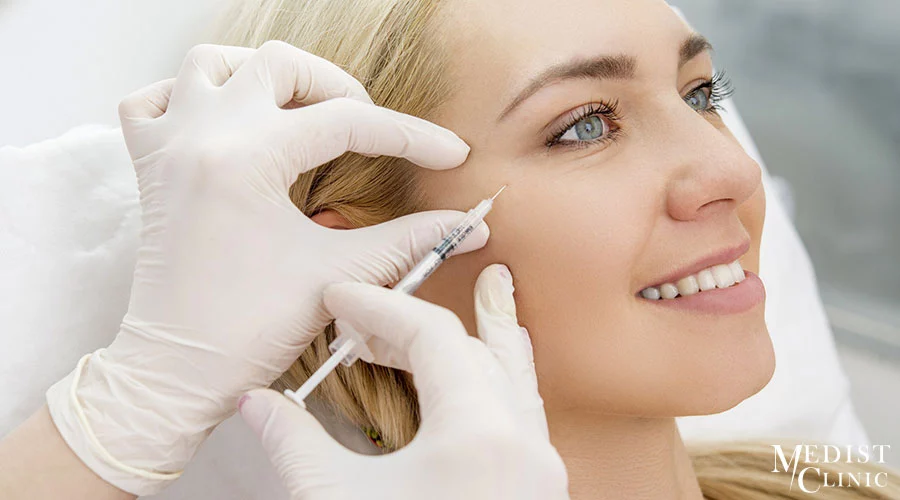
Botox is perhaps the most well-known treatment in the world of medical beauty. It works by temporarily relaxing the muscles responsible for creating wrinkles, particularly around the eyes, forehead, and mouth. Botox is commonly used to treat crow’s feet, frown lines, and forehead wrinkles, offering patients a smoother, younger-looking complexion.

Other neuromodulators such as Dysport, Xeomin, and Jeuveau are similar to Botox and work in much the same way, but they may vary in their formulation and longevity. These treatments offer a safe, non-invasive solution for reducing the appearance of fine lines and wrinkles.

2. Dermal Fillers

Dermal fillers are injectable substances used to restore volume and smoothness to areas of the face that have experienced volume loss due to aging. They are most commonly used in the cheeks, lips, under-eye area, and jawline. Fillers can help smooth deep wrinkles, plump thin lips, and add definition to the face.

The most common dermal fillers include hyaluronic acid-based options like Juvederm and Restylane, which are favored for their ability to add natural-looking volume and moisture. The results from dermal fillers are typically visible immediately and can last from six months to two years, depending on the type of filler used.

3. Laser Skin Resurfacing

Laser skin resurfacing is an advanced treatment that uses focused laser beams to improve skin texture, tone, and appearance. It targets issues such as sun damage, fine lines, wrinkles, and scarring. Laser resurfacing works by removing the outer layers of the skin and stimulating collagen production, which results in smoother, firmer skin.

Popular types of laser treatments include CO2 lasers and fractional lasers, which can penetrate the skin at different depths depending on the severity of the skin concern. Patients can expect smoother, healthier skin after a few sessions, with results lasting up to a year or more.

4. Chemical Peels

Chemical peels use a chemical solution to exfoliate the skin, helping to remove dead skin cells and promote new skin growth. This treatment is commonly used to treat acne scars, sun damage, uneven pigmentation, and fine lines. Depending on the strength of the chemical solution, chemical peels can be superficial, medium-depth, or deep.

Superficial peels are ideal for mild skin concerns, while deep peels can be used to address more severe issues like scarring or wrinkles. The healing process for deeper peels may take a bit longer, but the results are often more dramatic.

5. CoolSculpting (Fat Freezing)

CoolSculpting is a non-invasive fat reduction treatment that targets stubborn fat cells by freezing them. The process, known as cryolipolysis, freezes fat cells in areas like the abdomen, flanks, or thighs. These frozen fat cells are then naturally eliminated by the body over a few months.

CoolSculpting is ideal for individuals who have localized fat pockets that don’t respond well to diet or exercise. The treatment is non-invasive, requires no recovery time, and results in a noticeable reduction in fat after several sessions.

6. Microneedling

Microneedling, also called collagen induction therapy, involves using tiny needles to create micro-injuries in the skin. This process stimulates the skin’s natural healing response, promoting collagen and elastin production. As a result, microneedling helps to improve the appearance of fine lines, wrinkles, scarring, and uneven skin texture.

For enhanced results, microneedling is often combined with Platelet-Rich Plasma (PRP), which involves using the patient’s own blood to promote healing and rejuvenation. The combination of microneedling and PRP is often referred to as the Vampire Facial.

The Benefits of Medical Beauty

Medical beauty offers several distinct advantages that make it a popular choice for many:

1. Minimal Risk and Recovery Time

One of the most significant benefits of medical beauty is its minimized risk and quick recovery time. Non-invasive procedures like Botox and dermal fillers are generally safe, with little to no downtime required. Most individuals can resume their normal activities immediately after treatment.

2. Long-Lasting Results

Many medical beauty treatments, such as dermal fillers and laser resurfacing, provide results that last for several months or even years, making them an effective long-term solution for those seeking to maintain their youthful appearance.

3. Personalized Approach

Medical beauty treatments are highly customizable to meet the unique needs of each patient. Practitioners assess the individual’s skin type, concerns, and goals to create a tailored treatment plan that delivers optimal results.

Conclusion

精靈針效果 represents a growing trend that blends the latest in medical science with the art of beauty. By offering effective, non-invasive treatments, it provides a way for individuals to enhance their appearance, feel more confident, and address common beauty concerns without the need for surgery. As the demand for these treatments continues to rise, medical beauty is poised to become a lasting and integral part of the beauty industry. Whether it’s for anti-aging, body contouring, or skin rejuvenation, medical beauty is changing the way we approach beauty and self-care—one non-invasive treatment at a time.

딥 티슈 마사지 트리트먼트의 6가지 이점딥 티슈 마사지 트리트먼트의 6가지 이점

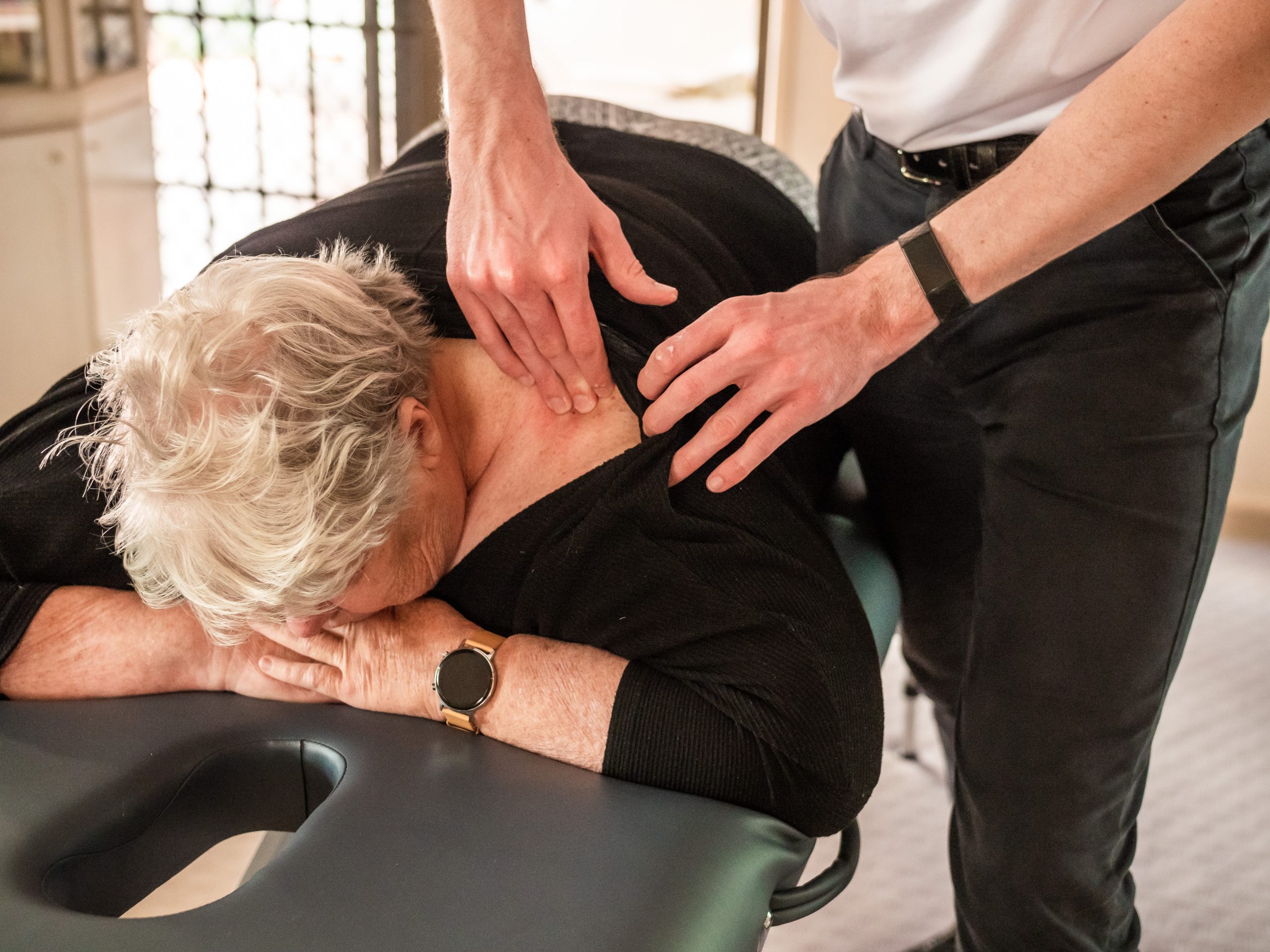
근골격계 문제로 인한 통증은 기껏해야 잔소리일 수 있고, 최악의 경우 완전히 쇠약해질 수 있습니다. 이는 일상 생활에 큰 영향을 미치고 삶의 질을 크게 떨어뜨릴 수 있습니다. 또한 신체적 또는 정서적 긴장이나 스트레스가 있는 경우 이는 증상을 악화시키고 통증, 고통 및 불편함에 기여할 수 있습니다. 증상을 치료하고 불편함을 줄이는 한 가지 방법은 딥 티슈 마사지를 받는 것입니다.
시드니 클리닉에서 딥 티슈 마사지 치료사는 보통 근육과 결합 조직, 인대와 힘줄에 강한 압력을 가합니다. 이는 깊은 긴장을 풀어주고 따라서 통증과 불편함을 줄이거나 제거하는 데 도움이 될 수 있습니다.
이러한 형태의 마사지는 목 통증, 어깨 뻣뻣함, 상체와 하체 등, 엉덩이와 다리의 근육 긴장 등 다양한 증상에 매우 효과적입니다.
딥 티슈 마사지의 이점:
통증과 고통의 감소
근육의 긴장을 풀어주는 것은 통증을 줄일 수 있는 주요 이유 중 하나입니다. 또한 혈류를 자극함으로써 신선한 영양소가 해당 부위로 유입되고 대사성 폐기물이 제거됩니다. 이 역시 통증을 줄이는 데 도움이 됩니다. 관절의 정상적인 움직임을 회복하는 것도 통증을 줄이는 데 도움이 됩니다.
부상에서 회복하다
근육 부상이 있는 경우 심부 조직 마사지는 확실히 치료에 역할을 할 수 있습니다. 조심스럽게 압력을 가하고, 관절을 움직이고, 연조직이 치유되도록 격려하는 것이 치료의 효과가 될 수 있습니다. 부상이 오래되었고 흉터 조직이 있는 경우 이 요법은 흉터 조직을 분해하는 데 도움이 될 수 있으며 해당 부위가 정상적인 기능으로 돌아가는 데 도움이 될 수 있습니다.
자세 근육 경직
근육 경직과 긴장은 잘못된 자세와 매우 흔히 연관됩니다. 이 경직이 지속되고 만성화되면, 감소된 운동성과 통증 또는 관련된 불편함이 삶의 질과 즐거움 수준에 엄청난 영향을 미칠 수 있습니다. 따라서 이러한 유형의 문제를 해결하는 데 도움이 되는 치료를 고려하고 더 나은 정렬된 자세의 자유를 즐기세요.
골관절염 통증 감소
골관절염으로 인한 통증은 적어도 큰 불편함을 유발할 수 있습니다. 이종 의학에서 이는 실제 치료법이 없는 상태로 간주되지만, 이 상태에 사용되는 많은 약물이 다양한 의학 시스템에서 사용됩니다. 치료 요법의 일부에는 관절 이동성을 유지하고 통증을 줄이는 데 도움이 될 수 있는 정기적인 마사지 요법이 포함될 수 있습니다.
좌골신경통 완화
좌골신경의 문제는 통증을 유발하고 따끔거림과 무감각을 유발할 수 있습니다. 좌골신경의 자극이나 압박은 상당한 통증과 신경학적 증상을 유발할 수 있습니다. 심각한 좌골신경통은 쇠약하게 만듭니다. Newtown Clinic의 심부 조직 마사지는 이 상태에서 회복하는 데 도움이 될 수 있습니다. 통증과 염증을 줄이고 근본 원인을 치료하는 데 도움이 되는 다른 치료적 조치도 사용될 가능성이 큽니다.
손목터널증후군 통증
손목의 신경 압박은 심한 통증과 무감각을 유발할 수 있습니다. 치료사는 손바닥과 손가락을 사용하여 조직을 조작하여 신경의 압력을 완화하여 통증을 줄이는 데 도움을 줍니다. 이러한 유형의 마사지는 또한 손목의 이동성을 향상시키는 데 도움이 됩니다.
딥 티슈 창원오피 – 절차
이제 어떻게 하는지 살펴보겠습니다. 일반적으로 근육을 준비하고 혈류를 증가시키고 표면 장력을 해소하기 위해 가벼운 압력을 가합니다. 준비가 완료되면 치료사는 다음 단계로 넘어가 팔뚝, 엄지손가락, 팔꿈치, 관절을 사용하여 영향을 받은 부위에 더 깊은 압력을 가합니다. 이 방법을 스트리핑이라고 합니다.
그러나 마찰법에서는 조직 섬유를 "재정렬"하거나 "재균형"을 맞추기 위해 압력을 가해 스트레스와 긴장을 해소하고 혈류가 최적화되도록 합니다.
이 과정이 고통스러운가요?
시드니 클리닉의 딥 티슈 마사지 치료사는 고도로 훈련되어 있으며 귀하의 치료는 안전할 것입니다. 그러나 때때로 그가 치료하는 영향을 받는 부위에 약간의 통증이나 불편함을 느낄 수 있습니다. 이 통증은 흉터 조직을 '분해'하는 데 도움이 되는 것과 같은 몇 가지 원인 때문일 수 있습니다. 실제 압력 자체는 통증 수용체가 자극되어 때때로 불편하게 느껴질 수 있습니다. 그러나 언제든지 통증을 느낄 경우 치료사에게 알리면 그에 따라 조정해 드립니다. 좋은 치료에 통증이 필요하다는 오해가 있습니다. 때로는 이것이 한 잔까지 사실이지만 효과적인 기술과 근골격계에 대한 임상 지식이 더 중요합니다.

Sign Up For Telehealth Physiotherapy Advice To Get Rid Of Your Shrewish PainSign Up For Telehealth Physiotherapy Advice To Get Rid Of Your Shrewish Pain

If you woe from various health issues like back pain, musculus pain, knee pain or perhaps neck pain then it is high time that you took some medical help to overtake your problem as soon as possible. But it may materialize that you are ineffective to visit your close clinic because of your unwellness or maybe due to the Covid-19 general which has shaken the stallion worldly concern. But, don’t vex as you can get the requisite help to take on your trouble even from the comfort of your own home. You must be questioning about the possibility of getting help by just session at home. In such a state of affairs what you can do is to get in touch down with a clinic and get their telehealth physiatrics advice without cachexia any more time.

It is worthwhile to know that a telehealth reference is provided by a team of old physiotherapists. Hence, you can rely on them as they will supply you with the best services which will help you to get succour from your pains Sooner than you had unsurprising. You will be openmouthed to know that telehealth physiatrics Roger Huntington Sessions are as healthful as what you expect to receive when you physically travel to your clinic. So, what are you still wait for? Just pick up your telephone and get gear up to look up your physiotherapist without cachexia any more time.

If you are not being able to lead a rule modus vivendi due to various aches and pains then it is necessary to address these problems at the soonest. Do you want physiotherapy online Roger Huntington Sessions in Australia? Well, there are many clinics which are providing this online serve. You just need to search and soon you will be able to find names of clinics which are offering you online physiatrics Roger Sessions. These consultations are very useful as you can get succour from your ill-natured wellness issues by just going online and quest advice from the physiotherapist. Moreover, you are also not required to step out of your home to get this help.

If you are keen on sign language up for rehabilitation services in London online Sessions in Australia, then you must be curious to know about the details which your is offering to you. So, just on reading and enhance your cognition about it before you settle to join these sessions.

Physiotherapy Online Sessions Include-

Taking into describe a complete history about your healthDiagnosing your wellness problemA custom-made handling planSuggesting appropriate exercises for taking care of your trouble in a specific wayAre you thought about the which you have to bear for online consultation? Then you can stop badgering about it as the physiotherapy clinics are offering this online serve at a just terms which you can give it.

So, Telehealth physiotherapy Roger Huntington Sessions are as salutary as what you to receive when you physically visit your . if you are ineffective to visit your nigh physiatrics then just out telehealth pick or go for online reference to get rid of your health make out as soon as possible.

Ophthalmology: The Art and Science of Preserving VisionOphthalmology: The Art and Science of Preserving Vision

Ophthalmology, the branch of medicine concerned with the eyes and vision, is a discipline that combines intricate knowledge of the anatomy of the eye with advanced medical technology and surgical expertise. As one of the most important senses, vision is essential to how humans interact with the world. Disorders of the eye can range from common conditions like nearsightedness to complex diseases like macular degeneration or retinal disorders, making the role of ophthalmologists critical in preserving and restoring sight.

This article explores the role of ophthalmology in healthcare, the scope of treatments it encompasses, and the cutting-edge advancements shaping the future of eye care.

The Scope of Ophthalmology

Ophthalmology is a vast field that requires medical expertise and surgical skill to address a wide array of conditions affecting the eye. The term " 眼科檢查 " comes from the Greek words "ophthalmos" meaning eye and "logos" meaning study. Unlike optometrists who focus on eye health and vision correction, ophthalmologists are medical doctors who specialize in diagnosing, treating, and performing surgery on the eyes.

A unique aspect of ophthalmology is that it combines both the medical and surgical treatment of eye conditions. An ophthalmologist’s expertise extends beyond prescribing glasses and contact lenses; it includes performing delicate eye surgeries, diagnosing complex ocular diseases, and offering long-term management for chronic conditions.

Subspecialties Within Ophthalmology

Ophthalmology is composed of several subspecialties, each focused on a specific aspect of eye health. Some of the most notable subspecialties include:

  1. Retina and Vitreous: Retina specialists focus on the treatment of retinal diseases, which involve the thin, light-sensitive layer at the back of the eye. Diseases like diabetic retinopathy, macular degeneration, and retinal detachment fall under this subspecialty. Specialists in this field use advanced imaging techniques like Optical Coherence Tomography (OCT) to monitor the retina and guide treatment.

  2. Cataract Surgery: Cataracts, a condition where the natural lens of the eye becomes cloudy, are one of the leading causes of blindness worldwide. Cataract surgery involves the removal of the cloudy lens and replacing it with an artificial intraocular lens (IOL). The procedure is highly effective and one of the most common surgeries in the world.

  3. Glaucoma: Glaucoma is a group of eye diseases that damage the optic nerve, often due to high intraocular pressure. Glaucoma specialists focus on managing and treating this condition to prevent irreversible vision loss. Treatments may involve medications, laser therapy, or surgical procedures to relieve intraocular pressure.

  4. Cornea and External Disease: The cornea is the eye's outer layer, responsible for focusing light. Specialists in cornea and external diseases treat conditions such as corneal infections, dry eye syndrome, and keratoconus (a condition where the cornea becomes thin and bulges). Treatments range from eye drops and contact lenses to corneal transplants.

  5. Pediatric Ophthalmology: Eye conditions in children require specialized knowledge, as early diagnosis and treatment are crucial for the development of proper vision. Pediatric ophthalmologists manage conditions such as strabismus (crossed eyes), amblyopia (lazy eye), and congenital cataracts.

  6. Neuro-Ophthalmology: Neuro-ophthalmology is the subspecialty that deals with visual disturbances caused by diseases of the brain and nervous system. It includes conditions like optic neuritis, double vision, and vision loss due to neurological conditions such as multiple sclerosis or brain tumors.

  7. Oculoplastics: Oculoplastic surgeons specialize in reconstructive and cosmetic surgery of the eyelids, tear ducts, and the surrounding facial structures. They treat conditions such as ptosis (drooping eyelids) and orbital fractures and may also address cosmetic concerns such as eyelid surgery.

Common Eye Diseases and Their Treatments

The eye is susceptible to a range of diseases and conditions, some of which are preventable and others which require long-term management. Some of the most common conditions treated by ophthalmologists include:

  1. Refractive Errors: Refractive errors are the most common vision problems. These include myopia (nearsightedness), hyperopia (farsightedness), and astigmatism. These conditions occur when light does not focus properly on the retina. The primary treatment for refractive errors is corrective lenses, including glasses or contact lenses. For patients seeking a more permanent solution, laser surgery such as LASIK is an option.

  2. Cataracts: Cataracts are a natural part of aging and occur when the eye’s lens becomes cloudy, leading to blurry vision. Cataract surgery involves removing the cloudy lens and replacing it with a clear artificial lens. It is a highly effective procedure with a high success rate.

  3. Glaucoma: Glaucoma is a condition characterized by damage to the optic nerve, usually caused by increased pressure inside the eye. It is often called the "silent thief of sight" because it progresses slowly and painlessly. Early detection is key, and treatment may include medications, laser therapy, or surgical interventions to lower eye pressure and prevent vision loss.

  4. Macular Degeneration: Age-related macular degeneration (AMD) is a leading cause of vision loss in people over 50. It affects the central portion of the retina known as the macula, impairing central vision. While there is no cure for AMD, treatments like anti-VEGF injections can slow the progression of the disease and preserve vision.

  5. Diabetic Retinopathy: Diabetic retinopathy is a complication of diabetes that affects the blood vessels of the retina. High blood sugar can damage these vessels, leading to vision loss. Early detection through regular eye exams is crucial for managing the disease. Laser treatments, injections, and surgery can help treat diabetic retinopathy.

  6. Dry Eye Syndrome: Dry eyes occur when the eye does not produce enough tears or the tears evaporate too quickly. Symptoms include irritation, redness, and blurry vision. Treatment options include artificial tears, prescription medications, lifestyle changes, and in some cases, surgical procedures to improve tear production or reduce tear drainage.

  7. Strabismus: Strabismus, or crossed eyes, is a condition where the eyes are not properly aligned. This condition can lead to double vision and, if left untreated, amblyopia (lazy eye). Treatment may include corrective glasses, eye exercises, or surgery to align the eyes.

Advancements in Ophthalmology

Ophthalmology is one of the fastest-growing fields in medicine, thanks to technological advancements that improve diagnostic capabilities, treatment outcomes, and patient safety. Some of the most significant advancements include:

  1. Optical Coherence Tomography (OCT): OCT is a non-invasive imaging technique that allows ophthalmologists to obtain high-resolution images of the retina and optic nerve. This technology has revolutionized the diagnosis and monitoring of conditions like macular degeneration, diabetic retinopathy, and glaucoma.

  2. Femtosecond Laser Surgery: The femtosecond laser is a revolutionary tool in ophthalmology that allows for highly precise cuts in the cornea, lens, and retina. It is used in procedures like LASIK, cataract surgery, and corneal transplants. The accuracy and precision of femtosecond lasers have improved patient outcomes and reduced recovery times.

  3. Gene Therapy: Gene therapy has shown promise in treating inherited retinal diseases, such as retinitis pigmentosa and Leber congenital amaurosis. This innovative approach involves replacing or repairing defective genes in retinal cells to restore or preserve vision.

  4. Artificial Intelligence (AI): AI is transforming how ophthalmologists diagnose and treat eye diseases. AI algorithms can analyze retinal images and other diagnostic data to detect conditions like diabetic retinopathy, macular degeneration, and glaucoma at earlier stages. AI has the potential to improve diagnostic accuracy and enable faster, more efficient treatment decisions.

  5. Minimally Invasive Surgeries: Advances in minimally invasive techniques have improved the precision and safety of eye surgeries. Small incisions, micro-instrumentation, and laser technologies have made procedures like cataract surgery and glaucoma surgery faster, safer, and more effective with shorter recovery times.

The Future of Ophthalmology

The future of ophthalmology holds great promise. As the global population ages, the demand for eye care will increase, and ophthalmologists will play a vital role in ensuring people maintain healthy vision throughout their lives. Some of the exciting directions in the field include:

  1. Stem Cell Research: Stem cell therapy holds potential for treating degenerative retinal diseases, such as macular degeneration and retinitis pigmentosa. Research in this area aims to regenerate damaged retinal cells, providing hope for patients who currently have limited treatment options.

  2. Smart Contact Lenses: Smart contact lenses are an emerging technology that could revolutionize vision correction. These lenses can adjust their focus, monitor eye health, and even deliver medication directly to the eye. Though still in development, they hold great promise for the future of eye care.

  3. Telemedicine: Telemedicine is changing how healthcare is delivered, and ophthalmology is no exception. Remote consultations, virtual eye exams, and telehealth services are expanding access to eye care, especially for people in rural or underserved areas.

Conclusion

Ophthalmology is an essential and dynamic field that encompasses the science of eye health and the art of preserving vision. With ongoing advancements in technology, surgical techniques, and treatments, ophthalmology continues to improve the lives of millions by restoring or preserving sight. As the demand for eye care increases with an aging population, ophthalmologists will remain at the forefront of providing innovative and effective solutions to keep vision clear for generations to come. Whether through early detection, cutting-edge treatments, or surgical interventions, ophthalmology plays a vital role in ensuring that people continue to enjoy the gift of sight throughout their lives.