Author: Millermarker

Toys: Shaping Minds and Inspiring FuturesToys: Shaping Minds and Inspiring Futures

Toys have long been an essential part of childhood, yet their impact goes far beyond mere entertainment. From the earliest days of human civilization, toys have been used to teach, to inspire, and to unlock the limitless potential of children. They’re not just objects for amusement; they are powerful tools that shape creativity, cognitive development, and social skills. Today, as we navigate an increasingly technological world, toys continue to adapt and transform, bridging the gap between the physical and digital worlds, while still fulfilling their primary role: nurturing young minds.

The Enduring Role of Toys in Development

From the moment children are born, they begin to learn through play. This is a well-established fact among educators and psychologists, who recognize play as a primary method of learning and growth. Early play with toys allows children to build basic motor skills, recognize shapes and colors, and begin to understand the concept of cause and effect. But the role of toys doesn't end at basic learning—it extends into fostering creativity, social interaction, and even emotional intelligence.

As children grow older, toys continue to support their development, often introducing more complex forms of learning, such as problem-solving and role-playing. Each toy offers a unique opportunity to engage with the world in new ways. A set of building blocks, for example, teaches children about structure, balance, and perseverance. Meanwhile, role-playing toys such as dolls, action figures, or kitchen sets encourage children to explore social roles and practice empathy.

The Evolution of Toys: From Simplicity to Sophistication

The evolution of toys has closely mirrored societal advancements, from the humble handmade dolls of ancient cultures to the sophisticated electronic and interactive toys of today. The Industrial Revolution in the 19th century brought mass production techniques that made toys more accessible and affordable. This shift allowed 玩具店 to become not just luxuries but essential parts of daily life for children of all socioeconomic backgrounds.

In the 20th century, as technology progressed, toys began to reflect the changing world. The rise of plastic manufacturing made toys more affordable and durable. Iconic toys like Barbie, Hot Wheels, and the Rubik’s Cube became cultural phenomena. By the late 20th and early 21st centuries, the introduction of electronic and digital toys—ranging from video games to interactive robots—further expanded the possibilities of play. Today’s toys can teach children everything from basic literacy to coding and even robotics, offering a bridge between entertainment and education.

The Role of Technology in Modern Toys

The integration of technology into toys has revolutionized the way children interact with their toys and the world around them. Interactive robots like Cozmo, educational apps, and smart toys powered by artificial intelligence (AI) can engage children in ways that traditional toys never could. These tech-enabled toys can recognize speech, offer personalized feedback, and even adapt to a child’s progress, providing a highly dynamic and engaging experience.

One key benefit of technology-based toys is their ability to teach skills such as coding, mathematics, and logic in an accessible, hands-on way. For instance, coding kits like Kano or Osmo allow children to learn programming through interactive play, breaking down complex concepts into digestible, playful tasks. This not only makes learning fun but also prepares children for the future by equipping them with essential skills for the modern world.

However, while technology-based toys offer numerous benefits, there is an ongoing conversation about balancing screen time with physical play. Traditional toys like building blocks, dolls, and board games promote tactile interaction and imagination, which are also crucial for a child’s development. As such, the future of toys will likely be a harmonious blend of digital and physical elements, combining the best of both worlds.

How Toys Foster Social Skills

Toys play a significant role in the development of social skills. Play, particularly with others, provides children with opportunities to practice communication, cooperation, and conflict resolution. Whether it's a board game, a group of dolls, or a sports activity, these experiences help children learn how to take turns, follow rules, and share with others.

Group play fosters empathy, as children begin to understand the feelings of others and navigate group dynamics. For instance, when playing with action figures or dolls, children might create stories that involve complex social interactions, teaching them about relationships, compassion, and problem-solving. These early experiences serve as the foundation for future social competence.

Toys can also help children from different backgrounds connect with one another. Whether through a shared love for a certain toy or the stories that come with it, toys help build common ground and foster inclusivity. In recent years, the toy industry has seen an increase in the development of toys that represent diverse cultures, abilities, and family structures, ensuring that all children can see themselves reflected in their play.

Toys as Catalysts for Creativity and Imagination

One of the most powerful aspects of toys is their ability to ignite the imagination. When children play with open-ended toys like art supplies, LEGO sets, or even a simple cardboard box, they are given the freedom to create their own worlds, characters, and stories. This type of play is critical in developing creativity, problem-solving abilities, and independent thinking.

Toys that encourage imaginative play allow children to break away from the constraints of reality and explore the unknown. They might create an entire universe with LEGO bricks or invent elaborate tales of adventure with action figures. This creative process is more than just fun—it enhances a child’s ability to think critically and approach challenges from multiple perspectives.

Imagination is not only about fantasy; it is a skill that children carry into adulthood. Creative play teaches children how to think innovatively and adapt to new situations. These skills are essential in an ever-changing world, where creativity and adaptability are key to success in both personal and professional spheres.

Sustainability and Ethical Practices in the Toy Industry

As the world becomes more conscious of environmental challenges, sustainability has become a focal point in the toy industry. Today, many manufacturers are moving toward eco-friendly materials, such as recycled plastics, organic cotton, and bamboo, as a way to reduce the environmental impact of toy production. Some companies have even embraced a “circular economy” model, where toys are designed to be reused or recycled, minimizing waste.

This shift is not only beneficial for the environment but also encourages children to think about sustainability from an early age. Eco-friendly toys teach children the importance of caring for the planet, offering an opportunity to instill values of responsibility and conservation in the next generation.

Moreover, ethical concerns related to toy production, such as fair labor practices and the treatment of workers, are increasingly being addressed by conscientious companies. Parents today are more likely to choose toys that align with their values, supporting companies that prioritize sustainability, ethical sourcing, and transparency.

Conclusion: The Future of Toys

Toys are not static objects—they are ever-evolving instruments of learning and growth. They continue to shape the way children perceive the world and themselves. As technology advances and social expectations change, the role of toys will undoubtedly continue to evolve. What remains constant, however, is their ability to foster creativity, learning, and social connection.

As we look to the future, toys will likely become even more immersive, interactive, and diverse, blending the best of physical and digital play. They will continue to inspire children to dream, to build, and to create, laying the groundwork for the innovators, thinkers, and problem-solvers of tomorrow. Toys are not just for today—they are for the future, and the impact they have on shaping young minds will resonate for generations to come.


Revolutionizing Beauty: How Medical Beauty is Changing the Aesthetic LandscapeRevolutionizing Beauty: How Medical Beauty is Changing the Aesthetic Landscape

In the modern age, beauty has evolved beyond the traditional world of makeup and skincare products. Today, an increasing number of individuals are turning to medical beauty—a dynamic fusion of science and aesthetics that offers effective, non-surgical solutions for enhancing one's appearance. Combining clinical expertise with advanced technology, medical beauty provides a wide range of non-invasive treatments designed to address skin imperfections, reduce the visible signs of aging, and rejuvenate the body.

This growing sector of the beauty industry is making it easier for people to achieve their desired appearance without the need for traditional, invasive surgery. From Botox to body contouring treatments, medical beauty is proving that looking and feeling your best doesn’t always require going under the knife. In this article, we’ll take a closer look at the world of medical beauty, its increasing popularity, and the most sought-after treatments in this rapidly growing field.

What is Medical Beauty?

At its core, medical beauty refers to a variety of cosmetic treatments that combine medical knowledge with aesthetic enhancement. These treatments typically focus on non-surgical and minimally invasive procedures that provide lasting, noticeable results. Unlike traditional beauty treatments that focus on topical products, medical beauty procedures delve deeper into the layers of the skin, muscles, or fat to provide more substantial and longer-lasting improvements.

The growing appeal of medical beauty lies in the fact that it combines the science of medicine with the art of beauty, all while minimizing the risks and recovery time associated with traditional surgeries. These treatments are often performed by qualified medical professionals, such as dermatologists, cosmetic surgeons, or licensed aestheticians, ensuring that each procedure is safe and effective.

Why Medical Beauty is Gaining Popularity

The popularity of medical beauty can be attributed to several key factors, each contributing to a surge in demand:

1. Quick Results with Minimal Downtime

One of the most attractive aspects of medical beauty is its ability to provide immediate and visible results. Many procedures, such as Botox injections or dermal fillers, deliver noticeable changes almost instantly, with minimal downtime. This is especially appealing for individuals with busy lives who cannot afford the extended recovery periods associated with traditional cosmetic surgeries.

The rapid recovery and effectiveness of these treatments allow people to address their beauty concerns without significant interruption to their daily routines.

2. Subtle, Natural Enhancements

Unlike the drastic transformations often seen with cosmetic surgery, medical beauty focuses on achieving subtle, natural-looking enhancements. Treatments like Botox and dermal fillers are designed to enhance a person’s natural beauty, providing a youthful, refreshed look without altering one’s unique features. This approach is particularly appealing to individuals who want to look younger but don’t want to appear “overdone.”

The goal is often to maintain a natural balance, enhancing features like the jawline, cheeks, or lips while still preserving an individual’s overall appearance.

3. Affordability and Accessibility

Medical beauty treatments offer a more affordable and accessible option for individuals who may not be able to invest in more invasive cosmetic surgery. While the cost of each procedure can vary, non-surgical treatments are typically less expensive than full surgeries. Additionally, with more clinics and medical spas offering these services, medical beauty is becoming available to a broader range of people.

For those seeking non-invasive solutions without the high price tag of surgery, medical beauty offers a cost-effective alternative.

4. Advancements in Technology

As medical technology continues to evolve, new, innovative treatments are continuously emerging in the field of medical beauty. From lasers to injectables, modern treatments utilize cutting-edge equipment to achieve superior results. With these technological advancements, procedures have become more precise, safe, and effective.

Many of these treatments are backed by rigorous scientific research, ensuring that patients receive the best possible outcomes with minimal risk.

Popular Medical Beauty Treatments

Medical beauty encompasses a wide array of procedures, each designed to target specific aesthetic concerns. Below are some of the most popular and sought-after treatments in the industry today:

1. Botox and Other Neuromodulators

Botox is perhaps the most well-known treatment in the world of medical beauty. It works by temporarily relaxing the muscles responsible for creating wrinkles, particularly around the eyes, forehead, and mouth. Botox is commonly used to treat crow’s feet, frown lines, and forehead wrinkles, offering patients a smoother, younger-looking complexion.

Other neuromodulators such as Dysport, Xeomin, and Jeuveau are similar to Botox and work in much the same way, but they may vary in their formulation and longevity. These treatments offer a safe, non-invasive solution for reducing the appearance of fine lines and wrinkles.

2. Dermal Fillers

Dermal fillers are injectable substances used to restore volume and smoothness to areas of the face that have experienced volume loss due to aging. They are most commonly used in the cheeks, lips, under-eye area, and jawline. Fillers can help smooth deep wrinkles, plump thin lips, and add definition to the face.

The most common dermal fillers include hyaluronic acid-based options like Juvederm and Restylane, which are favored for their ability to add natural-looking volume and moisture. The results from dermal fillers are typically visible immediately and can last from six months to two years, depending on the type of filler used.

3. Laser Skin Resurfacing

Laser skin resurfacing is an advanced treatment that uses focused laser beams to improve skin texture, tone, and appearance. It targets issues such as sun damage, fine lines, wrinkles, and scarring. Laser resurfacing works by removing the outer layers of the skin and stimulating collagen production, which results in smoother, firmer skin.

Popular types of laser treatments include CO2 lasers and fractional lasers, which can penetrate the skin at different depths depending on the severity of the skin concern. Patients can expect smoother, healthier skin after a few sessions, with results lasting up to a year or more.

4. Chemical Peels

Chemical peels use a chemical solution to exfoliate the skin, helping to remove dead skin cells and promote new skin growth. This treatment is commonly used to treat acne scars, sun damage, uneven pigmentation, and fine lines. Depending on the strength of the chemical solution, chemical peels can be superficial, medium-depth, or deep.

Superficial peels are ideal for mild skin concerns, while deep peels can be used to address more severe issues like scarring or wrinkles. The healing process for deeper peels may take a bit longer, but the results are often more dramatic.

5. CoolSculpting (Fat Freezing)

CoolSculpting is a non-invasive fat reduction treatment that targets stubborn fat cells by freezing them. The process, known as cryolipolysis, freezes fat cells in areas like the abdomen, flanks, or thighs. These frozen fat cells are then naturally eliminated by the body over a few months.

CoolSculpting is ideal for individuals who have localized fat pockets that don’t respond well to diet or exercise. The treatment is non-invasive, requires no recovery time, and results in a noticeable reduction in fat after several sessions.

6. Microneedling

Microneedling, also called collagen induction therapy, involves using tiny needles to create micro-injuries in the skin. This process stimulates the skin’s natural healing response, promoting collagen and elastin production. As a result, microneedling helps to improve the appearance of fine lines, wrinkles, scarring, and uneven skin texture.

For enhanced results, microneedling is often combined with Platelet-Rich Plasma (PRP), which involves using the patient’s own blood to promote healing and rejuvenation. The combination of microneedling and PRP is often referred to as the Vampire Facial.

The Benefits of Medical Beauty

Medical beauty offers several distinct advantages that make it a popular choice for many:

1. Minimal Risk and Recovery Time

One of the most significant benefits of medical beauty is its minimized risk and quick recovery time. Non-invasive procedures like Botox and dermal fillers are generally safe, with little to no downtime required. Most individuals can resume their normal activities immediately after treatment.

2. Long-Lasting Results

Many medical beauty treatments, such as dermal fillers and laser resurfacing, provide results that last for several months or even years, making them an effective long-term solution for those seeking to maintain their youthful appearance.

3. Personalized Approach

Medical beauty treatments are highly customizable to meet the unique needs of each patient. Practitioners assess the individual’s skin type, concerns, and goals to create a tailored treatment plan that delivers optimal results.

Conclusion

精靈針效果 represents a growing trend that blends the latest in medical science with the art of beauty. By offering effective, non-invasive treatments, it provides a way for individuals to enhance their appearance, feel more confident, and address common beauty concerns without the need for surgery. As the demand for these treatments continues to rise, medical beauty is poised to become a lasting and integral part of the beauty industry. Whether it’s for anti-aging, body contouring, or skin rejuvenation, medical beauty is changing the way we approach beauty and self-care—one non-invasive treatment at a time.

Tips And Tricks To Win At Online Slot GamesTips And Tricks To Win At Online Slot Games

Online set back activities have become certainly one of the most nonclassical forms of on line play world-wide. Their appeal is supported on their ease, availableness, and variety. Unlike conventional casino activities like stove poker or blackmail, slots do not need warm specific considering or extensive information, qualification them simpleton to pick up for beginners. Moreover, their saturated plan, attractive themes, and involved sound files provide an immersive undergo. With online casinos providing thousands, if not thousands, of put together activities, participants have infinite choices, ranging from green three-reel slots to modern font video slots with complex storylines and advantage features. This natural selection assures there's something for all, regardless of their preferences. indokasino login.

The technicians of online put off games are derivative from Arbitrary Quantity Generators(RNGs), which guarantee that each spin is entirely absolute and mugwump of anterior results. Which means that on line slot activities are governed by , without way to predict or change outcomes. Each game comes with a unique set of paylines, designs, and functions that launch how participants win. The goal is to pit particular combinations of designs across successful paylines, with payouts different with regards to the scarcity and terms of the symbols. Benefit functions like free revolves, multipliers, and mini-games put an extra finishing of enjoyment and possibility of boastfully wins.

Among the standout facets of online set back games is their melody . Designers produce slots predicated on a wide variety of subjects, including mythology, movies, music, record, and even trending pop culture. That melodic phrase natural selection keeps people encumbered, as they could pick games that arrange using their personal interests. Beyond themes, modern font pose games are filled with functions like cascading reels, growing wilds, and Bodoni font jackpots. These characteristics meliorate gameplay, gift more opportunities for victories and adding some volatility. Slots with storytelling aspects and cinematic graphics are especially green, turn simpleton moves in to immersive play experiences.

When selecting an on the web slot game, people usually think about the Return to Player(RTP) part and volatility. The RTP represents the conjectural share of sum wagers that the slot is unsurprising to come back to players over time. For instance, a slot by having an RTP of 96 can reunify 96 for each and every 100 wagered typically, though soul outcomes may vary wide. Volatility, on the other give, decides the volume and measure of payouts. High-volatility slots supply view of big wins but with less loudness, while low-volatility slots ply little, more fixture payouts. Understanding these facets might help players pick out activities that suit their tolerance and acting style.

Modern jackpot slots are among probably the most stimulating kinds of online slot games. These activities let in a pot that develops as time passes, as a tiny assign of every wager is added to the treasure pool. The kitty stiff to ameliorate till one happy participant visitors the earning combination. Progressive slots like Mega Moolah and Heavenly Fortune are fabled for turn players in to millionaires nightlong. The draw of life-changing payouts makes these games particularly common, even although odds of reaching the pot are slim. Several people are fascinated in the thrill of chasing a big get, which adds an additive coating of exhilaration to their play Sessions.

The step-up of mobile applied science has born-again the net slot play noesis, making it far more handy than ever. Players can now availableness their front-runner slot games on smartphones and pills, permitting them to spin the reels anytime, anywhere. Many on the web casinos have optimized their tools for cellular , gift smoothen gameplay and touch-screen functionality. Some casinos have sworn portable applications offer characteristic functions and bonuses. The mobility and easy access provided by Mobile engineering have contributed importantly to the growth recognition of on line slot activities, facultative participants to savour a park pastime on the go.

While online slot games are fascinating, to boot they come with risks, especially for participants who do not responsibly. The fast-paced nature of slots and their immediate gratification may lead to obsessional conduct and economic losings. Furthermore, the bright graphics, social function appears, and round-the-clock benefits will make it possible for participants to reduce cut across of time and money. It's requisite for players to set restricts, manage their bankrolls, and method acting slot activities as a questionnaire of natural process rather than a way to create money. Choosing well-thought-of online casinos with transparent guidelines may also help assure a secure and fair play see.

The on-going futurity of on the web slot activities looks very supportive, with new systems creativeness in gameplay and features. Electronic truth(VR) and exaggerated Truth(AR) are likely to inspire the pose gaming noesis, providing fully immersive situations where participants may interact with the game in unexampled ways. Blockchain engineering may also may play a role, up visibility and while permitting cryptocurrency transactions. As on the web play keeps growth, designers will likely reduce on creating more customized and active gambling experiences. With incalculable opportunities for resourcefulness and advancement, online slot games can stay on a of the whole number play commercialise for geezerhood to come.

Ophthalmology: The Art and Science of Preserving VisionOphthalmology: The Art and Science of Preserving Vision

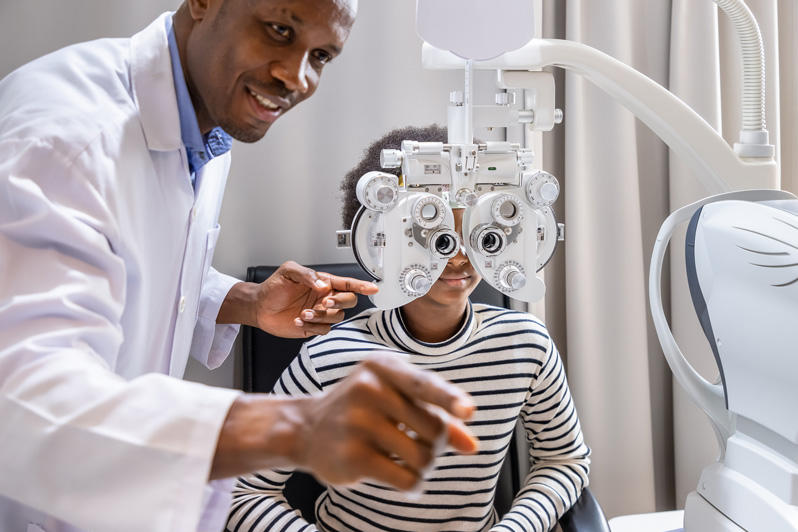
Ophthalmology, the branch of medicine concerned with the eyes and vision, is a discipline that combines intricate knowledge of the anatomy of the eye with advanced medical technology and surgical expertise. As one of the most important senses, vision is essential to how humans interact with the world. Disorders of the eye can range from common conditions like nearsightedness to complex diseases like macular degeneration or retinal disorders, making the role of ophthalmologists critical in preserving and restoring sight.

This article explores the role of ophthalmology in healthcare, the scope of treatments it encompasses, and the cutting-edge advancements shaping the future of eye care.

The Scope of Ophthalmology

Ophthalmology is a vast field that requires medical expertise and surgical skill to address a wide array of conditions affecting the eye. The term " 眼科檢查 " comes from the Greek words "ophthalmos" meaning eye and "logos" meaning study. Unlike optometrists who focus on eye health and vision correction, ophthalmologists are medical doctors who specialize in diagnosing, treating, and performing surgery on the eyes.

A unique aspect of ophthalmology is that it combines both the medical and surgical treatment of eye conditions. An ophthalmologist’s expertise extends beyond prescribing glasses and contact lenses; it includes performing delicate eye surgeries, diagnosing complex ocular diseases, and offering long-term management for chronic conditions.

Subspecialties Within Ophthalmology

Ophthalmology is composed of several subspecialties, each focused on a specific aspect of eye health. Some of the most notable subspecialties include:

  1. Retina and Vitreous: Retina specialists focus on the treatment of retinal diseases, which involve the thin, light-sensitive layer at the back of the eye. Diseases like diabetic retinopathy, macular degeneration, and retinal detachment fall under this subspecialty. Specialists in this field use advanced imaging techniques like Optical Coherence Tomography (OCT) to monitor the retina and guide treatment.

  2. Cataract Surgery: Cataracts, a condition where the natural lens of the eye becomes cloudy, are one of the leading causes of blindness worldwide. Cataract surgery involves the removal of the cloudy lens and replacing it with an artificial intraocular lens (IOL). The procedure is highly effective and one of the most common surgeries in the world.

  3. Glaucoma: Glaucoma is a group of eye diseases that damage the optic nerve, often due to high intraocular pressure. Glaucoma specialists focus on managing and treating this condition to prevent irreversible vision loss. Treatments may involve medications, laser therapy, or surgical procedures to relieve intraocular pressure.

  4. Cornea and External Disease: The cornea is the eye's outer layer, responsible for focusing light. Specialists in cornea and external diseases treat conditions such as corneal infections, dry eye syndrome, and keratoconus (a condition where the cornea becomes thin and bulges). Treatments range from eye drops and contact lenses to corneal transplants.

  5. Pediatric Ophthalmology: Eye conditions in children require specialized knowledge, as early diagnosis and treatment are crucial for the development of proper vision. Pediatric ophthalmologists manage conditions such as strabismus (crossed eyes), amblyopia (lazy eye), and congenital cataracts.

  6. Neuro-Ophthalmology: Neuro-ophthalmology is the subspecialty that deals with visual disturbances caused by diseases of the brain and nervous system. It includes conditions like optic neuritis, double vision, and vision loss due to neurological conditions such as multiple sclerosis or brain tumors.

  7. Oculoplastics: Oculoplastic surgeons specialize in reconstructive and cosmetic surgery of the eyelids, tear ducts, and the surrounding facial structures. They treat conditions such as ptosis (drooping eyelids) and orbital fractures and may also address cosmetic concerns such as eyelid surgery.

Common Eye Diseases and Their Treatments

The eye is susceptible to a range of diseases and conditions, some of which are preventable and others which require long-term management. Some of the most common conditions treated by ophthalmologists include:

  1. Refractive Errors: Refractive errors are the most common vision problems. These include myopia (nearsightedness), hyperopia (farsightedness), and astigmatism. These conditions occur when light does not focus properly on the retina. The primary treatment for refractive errors is corrective lenses, including glasses or contact lenses. For patients seeking a more permanent solution, laser surgery such as LASIK is an option.

  2. Cataracts: Cataracts are a natural part of aging and occur when the eye’s lens becomes cloudy, leading to blurry vision. Cataract surgery involves removing the cloudy lens and replacing it with a clear artificial lens. It is a highly effective procedure with a high success rate.

  3. Glaucoma: Glaucoma is a condition characterized by damage to the optic nerve, usually caused by increased pressure inside the eye. It is often called the "silent thief of sight" because it progresses slowly and painlessly. Early detection is key, and treatment may include medications, laser therapy, or surgical interventions to lower eye pressure and prevent vision loss.

  4. Macular Degeneration: Age-related macular degeneration (AMD) is a leading cause of vision loss in people over 50. It affects the central portion of the retina known as the macula, impairing central vision. While there is no cure for AMD, treatments like anti-VEGF injections can slow the progression of the disease and preserve vision.

  5. Diabetic Retinopathy: Diabetic retinopathy is a complication of diabetes that affects the blood vessels of the retina. High blood sugar can damage these vessels, leading to vision loss. Early detection through regular eye exams is crucial for managing the disease. Laser treatments, injections, and surgery can help treat diabetic retinopathy.

  6. Dry Eye Syndrome: Dry eyes occur when the eye does not produce enough tears or the tears evaporate too quickly. Symptoms include irritation, redness, and blurry vision. Treatment options include artificial tears, prescription medications, lifestyle changes, and in some cases, surgical procedures to improve tear production or reduce tear drainage.

  7. Strabismus: Strabismus, or crossed eyes, is a condition where the eyes are not properly aligned. This condition can lead to double vision and, if left untreated, amblyopia (lazy eye). Treatment may include corrective glasses, eye exercises, or surgery to align the eyes.

Advancements in Ophthalmology

Ophthalmology is one of the fastest-growing fields in medicine, thanks to technological advancements that improve diagnostic capabilities, treatment outcomes, and patient safety. Some of the most significant advancements include:

  1. Optical Coherence Tomography (OCT): OCT is a non-invasive imaging technique that allows ophthalmologists to obtain high-resolution images of the retina and optic nerve. This technology has revolutionized the diagnosis and monitoring of conditions like macular degeneration, diabetic retinopathy, and glaucoma.

  2. Femtosecond Laser Surgery: The femtosecond laser is a revolutionary tool in ophthalmology that allows for highly precise cuts in the cornea, lens, and retina. It is used in procedures like LASIK, cataract surgery, and corneal transplants. The accuracy and precision of femtosecond lasers have improved patient outcomes and reduced recovery times.

  3. Gene Therapy: Gene therapy has shown promise in treating inherited retinal diseases, such as retinitis pigmentosa and Leber congenital amaurosis. This innovative approach involves replacing or repairing defective genes in retinal cells to restore or preserve vision.

  4. Artificial Intelligence (AI): AI is transforming how ophthalmologists diagnose and treat eye diseases. AI algorithms can analyze retinal images and other diagnostic data to detect conditions like diabetic retinopathy, macular degeneration, and glaucoma at earlier stages. AI has the potential to improve diagnostic accuracy and enable faster, more efficient treatment decisions.

  5. Minimally Invasive Surgeries: Advances in minimally invasive techniques have improved the precision and safety of eye surgeries. Small incisions, micro-instrumentation, and laser technologies have made procedures like cataract surgery and glaucoma surgery faster, safer, and more effective with shorter recovery times.

The Future of Ophthalmology

The future of ophthalmology holds great promise. As the global population ages, the demand for eye care will increase, and ophthalmologists will play a vital role in ensuring people maintain healthy vision throughout their lives. Some of the exciting directions in the field include:

  1. Stem Cell Research: Stem cell therapy holds potential for treating degenerative retinal diseases, such as macular degeneration and retinitis pigmentosa. Research in this area aims to regenerate damaged retinal cells, providing hope for patients who currently have limited treatment options.

  2. Smart Contact Lenses: Smart contact lenses are an emerging technology that could revolutionize vision correction. These lenses can adjust their focus, monitor eye health, and even deliver medication directly to the eye. Though still in development, they hold great promise for the future of eye care.

  3. Telemedicine: Telemedicine is changing how healthcare is delivered, and ophthalmology is no exception. Remote consultations, virtual eye exams, and telehealth services are expanding access to eye care, especially for people in rural or underserved areas.

Conclusion

Ophthalmology is an essential and dynamic field that encompasses the science of eye health and the art of preserving vision. With ongoing advancements in technology, surgical techniques, and treatments, ophthalmology continues to improve the lives of millions by restoring or preserving sight. As the demand for eye care increases with an aging population, ophthalmologists will remain at the forefront of providing innovative and effective solutions to keep vision clear for generations to come. Whether through early detection, cutting-edge treatments, or surgical interventions, ophthalmology plays a vital role in ensuring that people continue to enjoy the gift of sight throughout their lives.

The Future of Website and Application Development: Embracing Innovation and ChangeThe Future of Website and Application Development: Embracing Innovation and Change

In the fast-paced world of technology, website and application development continues to evolve at an unprecedented rate. What was once a space dominated by static websites and basic mobile apps is now an arena for sophisticated, intelligent, and interactive digital experiences. Developers, businesses, and end-users are all navigating the challenges and opportunities presented by cutting-edge tools and technologies. This article takes a look at the emerging trends and innovations that will define the future of website and application development.

1. AI and Automation: The New Development Frontier

Artificial intelligence (AI) and automation are expected to play a central role in the future of application development. Already, developers are leveraging AI for tasks like code generation, testing, debugging, and even customer support. But as the technology advances, AI's role in development will become even more integral.

How AI is Revolutionizing Development:

  • Code Assistance and Automation: AI-powered tools like GitHub Copilot, Tabnine, and other intelligent coding assistants are changing the way developers work. These tools can suggest code snippets, auto-complete code, and even write entire functions based on natural language prompts, significantly speeding up the development process.
  • Predictive Analytics and User Behavior: AI can analyze user interactions to predict behavior and tailor content accordingly, creating more personalized experiences. For example, in e-commerce apps, AI can suggest products based on browsing history, preferences, and past purchases, while in news apps, it can curate content for users based on their reading patterns.
  • AI-Driven Testing: AI-driven testing frameworks are making the testing process more efficient. With the ability to simulate real-world usage scenarios, these systems can identify bugs, vulnerabilities, and performance issues faster and with higher accuracy than manual testing alone.

The future of application development will likely see even more advanced AI integration, including self-healing applications that can automatically detect and fix issues, minimizing downtime and improving user satisfaction.

2. Low-Code and No-Code Platforms: Bridging the Skill Gap

Low-code and no-code platforms are transforming the way applications are built. These platforms allow users to create websites and applications without writing traditional code. Through drag-and-drop interfaces, visual workflows, and pre-configured templates, people without a background in coding can now build functional applications.

Why Low-Code and No-Code Platforms Matter:

  • Faster Development and Deployment: By eliminating the need for extensive coding, these platforms enable organizations to build applications much faster. Whether it’s for prototyping or full-scale production, businesses can deploy solutions quickly, keeping up with rapidly changing market demands.
  • Empowering Non-Technical Users: One of the most exciting aspects of no-code and low-code platforms is that they empower business users, marketers, and designers to develop custom solutions without needing a technical background. This democratizes the development process, making it more inclusive.
  • Cost-Effective: For startups or smaller organizations, low-code and no-code platforms provide a cost-effective way to build applications without needing to hire full-fledged development teams. These platforms lower the barrier to entry and allow businesses to focus resources on other areas.

While these platforms are not designed for building highly complex or custom solutions, they are a game-changer for businesses looking for simpler, more rapid development and a way to create prototypes or internal tools with minimal effort.

3. Progressive Web Apps (PWAs): The Perfect Blend of Web and Mobile Apps

Progressive Web Apps (PWAs) have been gaining significant attention for their ability to combine the best features of both traditional websites and native mobile apps. PWAs are designed to work on any device, regardless of the platform, while providing users with a fast, reliable, and engaging experience typically reserved for mobile applications.

The Benefits of PWAs:

  • Cross-Platform Compatibility: PWAs function seamlessly across various devices, from desktops to mobile phones, ensuring a consistent experience for users without the need for separate native applications for different platforms.
  • Offline Functionality: One of the standout features of PWAs is their ability to function offline. They use service workers to cache data and resources, enabling users to interact with the app even when there is no internet connection.
  • Faster Loading and Better Performance: PWAs load quickly and respond swiftly to user interactions, which is essential in today’s fast-paced digital world. By relying on modern web technologies and offline capabilities, PWAs offer an experience that rivals native apps in terms of speed and reliability.
  • Cost-Effective: Unlike native apps, which require separate development for iOS, Android, and web platforms, PWAs only need to be developed once. This not only reduces the time to market but also lowers the overall development cost.

PWAs are becoming an increasingly popular choice for businesses seeking to deliver exceptional user experiences while keeping development costs manageable.

4. Serverless Architecture: Shaping the Future of App Deployment

Serverless computing is a cloud-computing model that allows developers to build and run applications without managing servers. In a serverless architecture, developers focus on writing code, while the cloud provider automatically handles the deployment, scaling, and maintenance of the servers.

The Key Advantages of Serverless Computing:

  • Scalability: Serverless platforms automatically scale applications based on demand. As traffic fluctuates, the cloud provider provisions and de-provisions resources as needed, ensuring the application remains responsive.
  • Cost Efficiency: Serverless computing follows a pay-as-you-go model, where you only pay for the computing resources you actually use. This eliminates the need to provision and maintain idle servers, making it a more cost-effective solution.
  • Simplified Development: Serverless architecture abstracts away much of the infrastructure management, allowing developers to focus on writing business logic and improving application functionality. Serverless platforms also provide tools for easy deployment and monitoring.

For many modern applications, especially those that require rapid scaling or handle unpredictable traffic patterns, serverless computing is becoming an attractive alternative to traditional server-based architectures.

5. Augmented Reality (AR) and Virtual Reality (VR): The Future of Immersive Experiences

Augmented Reality (AR) and Virtual Reality (VR) technologies are no longer confined to gaming or entertainment. These technologies are increasingly being integrated into business applications, offering immersive user experiences that can transform how consumers interact with products and services.

How AR and VR Will Shape Development:

  • E-Commerce: AR allows users to virtually try on products before making a purchase, such as seeing how furniture looks in their homes or how clothes fit. By providing an interactive shopping experience, retailers can increase user engagement and drive sales.
  • Remote Collaboration: VR provides immersive environments that can enhance remote collaboration. Virtual workspaces can simulate in-person meetings and provide real-time interaction for teams spread across different locations. This can be a game-changer for industries like design, education, and healthcare.
  • Training and Simulation: AR and VR are revolutionizing industries like healthcare and education, where immersive simulations can be used for training purposes. Medical professionals, for example, can use VR to practice complex surgeries, while students can explore historical events through AR.

As AR and VR technologies become more affordable and widely accessible, developers will have greater opportunities to create innovative applications that offer highly engaging and interactive experiences.

6. Blockchain: Revolutionizing Security and Transparency

Blockchain technology is often associated with cryptocurrencies, but its potential in website and web design goes far beyond that. By providing a decentralized, transparent, and secure way to store and share data, blockchain is set to redefine the way businesses build applications and handle transactions.

How Blockchain is Influencing Development:

  • Enhanced Security: Blockchain provides an immutable ledger, ensuring that data cannot be altered once it is recorded. This makes it an ideal solution for applications that require high levels of security, such as financial services, healthcare, and supply chain management.
  • Decentralized Applications (dApps): Blockchain enables the creation of decentralized applications (dApps) that run on distributed networks rather than a central server. This offers improved reliability, security, and privacy, as there is no single point of failure.
  • Smart Contracts: Smart contracts are self-executing contracts with predefined rules. By automating transactions and processes, smart contracts eliminate the need for intermediaries, reducing costs and increasing efficiency.

Blockchain's potential in application development is vast, especially in industries where trust, security, and transparency are paramount.

Conclusion: Embracing the Future of Development

The future of website and application development is both exciting and challenging, as it will require developers to continually adapt to new technologies, user expectations, and market demands. AI, automation, low-code/no-code platforms, serverless computing, AR/VR, and blockchain are just a few of the transformative technologies shaping the development landscape.

As businesses and developers embrace these innovations, we can expect to see faster development cycles, more personalized user experiences, and a greater emphasis on security, scalability, and performance. By staying ahead of these trends, developers will be able to create powerful, future-proof applications that meet the needs of tomorrow’s digital world.