Author: Millermarker

The Future of Website and Application Development: Embracing Innovation and ChangeThe Future of Website and Application Development: Embracing Innovation and Change

In the fast-paced world of technology, website and application development continues to evolve at an unprecedented rate. What was once a space dominated by static websites and basic mobile apps is now an arena for sophisticated, intelligent, and interactive digital experiences. Developers, businesses, and end-users are all navigating the challenges and opportunities presented by cutting-edge tools and technologies. This article takes a look at the emerging trends and innovations that will define the future of website and application development.

1. AI and Automation: The New Development Frontier

Artificial intelligence (AI) and automation are expected to play a central role in the future of application development. Already, developers are leveraging AI for tasks like code generation, testing, debugging, and even customer support. But as the technology advances, AI's role in development will become even more integral.

How AI is Revolutionizing Development:

  • Code Assistance and Automation: AI-powered tools like GitHub Copilot, Tabnine, and other intelligent coding assistants are changing the way developers work. These tools can suggest code snippets, auto-complete code, and even write entire functions based on natural language prompts, significantly speeding up the development process.
  • Predictive Analytics and User Behavior: AI can analyze user interactions to predict behavior and tailor content accordingly, creating more personalized experiences. For example, in e-commerce apps, AI can suggest products based on browsing history, preferences, and past purchases, while in news apps, it can curate content for users based on their reading patterns.
  • AI-Driven Testing: AI-driven testing frameworks are making the testing process more efficient. With the ability to simulate real-world usage scenarios, these systems can identify bugs, vulnerabilities, and performance issues faster and with higher accuracy than manual testing alone.

The future of application development will likely see even more advanced AI integration, including self-healing applications that can automatically detect and fix issues, minimizing downtime and improving user satisfaction.

2. Low-Code and No-Code Platforms: Bridging the Skill Gap

Low-code and no-code platforms are transforming the way applications are built. These platforms allow users to create websites and applications without writing traditional code. Through drag-and-drop interfaces, visual workflows, and pre-configured templates, people without a background in coding can now build functional applications.

Why Low-Code and No-Code Platforms Matter:

  • Faster Development and Deployment: By eliminating the need for extensive coding, these platforms enable organizations to build applications much faster. Whether it’s for prototyping or full-scale production, businesses can deploy solutions quickly, keeping up with rapidly changing market demands.
  • Empowering Non-Technical Users: One of the most exciting aspects of no-code and low-code platforms is that they empower business users, marketers, and designers to develop custom solutions without needing a technical background. This democratizes the development process, making it more inclusive.
  • Cost-Effective: For startups or smaller organizations, low-code and no-code platforms provide a cost-effective way to build applications without needing to hire full-fledged development teams. These platforms lower the barrier to entry and allow businesses to focus resources on other areas.

While these platforms are not designed for building highly complex or custom solutions, they are a game-changer for businesses looking for simpler, more rapid development and a way to create prototypes or internal tools with minimal effort.

3. Progressive Web Apps (PWAs): The Perfect Blend of Web and Mobile Apps

Progressive Web Apps (PWAs) have been gaining significant attention for their ability to combine the best features of both traditional websites and native mobile apps. PWAs are designed to work on any device, regardless of the platform, while providing users with a fast, reliable, and engaging experience typically reserved for mobile applications.

The Benefits of PWAs:

  • Cross-Platform Compatibility: PWAs function seamlessly across various devices, from desktops to mobile phones, ensuring a consistent experience for users without the need for separate native applications for different platforms.
  • Offline Functionality: One of the standout features of PWAs is their ability to function offline. They use service workers to cache data and resources, enabling users to interact with the app even when there is no internet connection.
  • Faster Loading and Better Performance: PWAs load quickly and respond swiftly to user interactions, which is essential in today’s fast-paced digital world. By relying on modern web technologies and offline capabilities, PWAs offer an experience that rivals native apps in terms of speed and reliability.
  • Cost-Effective: Unlike native apps, which require separate development for iOS, Android, and web platforms, PWAs only need to be developed once. This not only reduces the time to market but also lowers the overall development cost.

PWAs are becoming an increasingly popular choice for businesses seeking to deliver exceptional user experiences while keeping development costs manageable.

4. Serverless Architecture: Shaping the Future of App Deployment

Serverless computing is a cloud-computing model that allows developers to build and run applications without managing servers. In a serverless architecture, developers focus on writing code, while the cloud provider automatically handles the deployment, scaling, and maintenance of the servers.

The Key Advantages of Serverless Computing:

  • Scalability: Serverless platforms automatically scale applications based on demand. As traffic fluctuates, the cloud provider provisions and de-provisions resources as needed, ensuring the application remains responsive.
  • Cost Efficiency: Serverless computing follows a pay-as-you-go model, where you only pay for the computing resources you actually use. This eliminates the need to provision and maintain idle servers, making it a more cost-effective solution.
  • Simplified Development: Serverless architecture abstracts away much of the infrastructure management, allowing developers to focus on writing business logic and improving application functionality. Serverless platforms also provide tools for easy deployment and monitoring.

For many modern applications, especially those that require rapid scaling or handle unpredictable traffic patterns, serverless computing is becoming an attractive alternative to traditional server-based architectures.

5. Augmented Reality (AR) and Virtual Reality (VR): The Future of Immersive Experiences

Augmented Reality (AR) and Virtual Reality (VR) technologies are no longer confined to gaming or entertainment. These technologies are increasingly being integrated into business applications, offering immersive user experiences that can transform how consumers interact with products and services.

How AR and VR Will Shape Development:

  • E-Commerce: AR allows users to virtually try on products before making a purchase, such as seeing how furniture looks in their homes or how clothes fit. By providing an interactive shopping experience, retailers can increase user engagement and drive sales.
  • Remote Collaboration: VR provides immersive environments that can enhance remote collaboration. Virtual workspaces can simulate in-person meetings and provide real-time interaction for teams spread across different locations. This can be a game-changer for industries like design, education, and healthcare.
  • Training and Simulation: AR and VR are revolutionizing industries like healthcare and education, where immersive simulations can be used for training purposes. Medical professionals, for example, can use VR to practice complex surgeries, while students can explore historical events through AR.

As AR and VR technologies become more affordable and widely accessible, developers will have greater opportunities to create innovative applications that offer highly engaging and interactive experiences.

6. Blockchain: Revolutionizing Security and Transparency

Blockchain technology is often associated with cryptocurrencies, but its potential in website and web design goes far beyond that. By providing a decentralized, transparent, and secure way to store and share data, blockchain is set to redefine the way businesses build applications and handle transactions.

How Blockchain is Influencing Development:

  • Enhanced Security: Blockchain provides an immutable ledger, ensuring that data cannot be altered once it is recorded. This makes it an ideal solution for applications that require high levels of security, such as financial services, healthcare, and supply chain management.
  • Decentralized Applications (dApps): Blockchain enables the creation of decentralized applications (dApps) that run on distributed networks rather than a central server. This offers improved reliability, security, and privacy, as there is no single point of failure.
  • Smart Contracts: Smart contracts are self-executing contracts with predefined rules. By automating transactions and processes, smart contracts eliminate the need for intermediaries, reducing costs and increasing efficiency.

Blockchain's potential in application development is vast, especially in industries where trust, security, and transparency are paramount.

Conclusion: Embracing the Future of Development

The future of website and application development is both exciting and challenging, as it will require developers to continually adapt to new technologies, user expectations, and market demands. AI, automation, low-code/no-code platforms, serverless computing, AR/VR, and blockchain are just a few of the transformative technologies shaping the development landscape.

As businesses and developers embrace these innovations, we can expect to see faster development cycles, more personalized user experiences, and a greater emphasis on security, scalability, and performance. By staying ahead of these trends, developers will be able to create powerful, future-proof applications that meet the needs of tomorrow’s digital world.

Metro Dental Hong Kong: Excellence in Oral Health CareMetro Dental Hong Kong: Excellence in Oral Health Care

A healthy smile is a reflection of good oral hygiene and professional dental care. Metro Dental Hong Kong is a premier dental clinic offering comprehensive treatments with a focus on patient comfort and advanced technology. Whether you need preventive care, cosmetic enhancements, or specialized dental procedures, Metro Dental provides expert solutions tailored to your needs.

Why Metro Dental is the Right Choice?

Metro Dental stands out as a trusted 種牙 care provider in Hong Kong due to its:

Multiple Convenient Locations – Clinics in Tsim Sha Tsui, Mong Kok, Yuen Long, Tseung Kwan O, and more.

Experienced Dental Team – Skilled dentists, orthodontists, and specialists with years of expertise.

Advanced Dental Technology – Modern equipment ensures accurate diagnosis and effective treatments.

Comprehensive Dental Services – From basic cleanings to complex surgical procedures.

Patient-Centered Approach – Comfortable, pain-free treatments with clear communication.

Metro Dental’s Wide Range of Services

1. Preventive & General Dentistry

Regular dental check-ups and preventive care help maintain oral health and prevent serious dental issues. Services include:

  • Professional teeth cleaning & polishing
  • Fluoride treatments for enamel protection
  • Digital X-rays for early detection of cavities or infections

2. Cosmetic Dentistry

Enhancing your smile is easier than ever with Metro Dental’s aesthetic treatments:

  • Teeth Whitening: Safe, effective solutions for a brighter smile.
  • Dental Veneers: Thin porcelain shells to improve tooth appearance.
  • Gum Contouring: Reshaping gums for a symmetrical, attractive smile.

3. Restorative Dentistry

Repair and restore damaged teeth with:

  • Tooth-Colored Fillings: Seamless, natural-looking fillings.
  • Crowns & Bridges: Long-lasting solutions for broken or missing teeth.
  • Dentures: Customized partial or full dentures for tooth replacement.

4. Orthodontics & Invisalign

Straightening teeth has never been more convenient with Metro Dental’s orthodontic options:

  • Traditional Metal Braces: Effective alignment for all ages.
  • Invisalign & Clear Aligners: Nearly invisible, comfortable treatment.
  • Retainers: Maintaining straight teeth after orthodontic treatment.

5. Dental Implants & Oral Surgery

For permanent tooth replacement and surgical procedures, Metro Dental offers:

  • Dental Implants: Durable, natural-looking replacements for missing teeth.
  • Wisdom Tooth Extraction: Safe and painless removal of impacted teeth.
  • Bone Grafting: Strengthening the jawbone for dental implant placement.

6. Gum Disease Treatment

Healthy gums are crucial for a strong foundation. Metro Dental provides:

  • Deep cleaning (scaling & root planing)
  • Laser gum treatments for effective healing
  • Treatment for gum infections, recession, and bleeding gums

7. Pediatric Dentistry

Gentle, specialized care for children ensures a positive dental experience and lifelong oral health.

State-of-the-Art Facilities

Metro Dental’s Tsim Sha Tsui flagship clinic is a government-approved day procedure center, offering monitored anesthesia care for complex treatments, ensuring patient safety and comfort.

Commitment to Patient Satisfaction

At Metro Dental, the focus is on pain-free, stress-free dentistry. The friendly staff ensures patients are well-informed about their treatment options. The clinic also accepts healthcare vouchers for accessible, high-quality dental care.

The Transformative Power of Erotic Massage: Exploring Sensuality, Relaxation, and ConnectionThe Transformative Power of Erotic Massage: Exploring Sensuality, Relaxation, and Connection

Erotic massage is a profound and intimate experience that extends beyond physical pleasure. It’s a practice that encourages deep connection, mindfulness, and a heightened awareness of the body. While many may associate massage with relaxation and muscle relief, erotic massage adds an additional layer of sensuality, inviting individuals to explore their desires, emotions, and the physical experience of touch in a way that promotes both intimacy and relaxation.

This article explores the world of erotic massage, its benefits, techniques, and how it can strengthen emotional bonds, foster deeper intimacy, and unlock new dimensions of pleasure for individuals and couples.

What is Erotic Massage?

Erotic massage is a form of bodywork that deliberately emphasizes touch and sensation, focusing on erogenous zones and sensual pleasure. Unlike traditional massage therapies that are designed for muscle relaxation or pain relief, erotic massage centers on the body's ability to respond to tactile sensations, creating an atmosphere of intimacy, trust, and connection.

While it may include the genital area, erotic massage is not necessarily about sexual release or orgasm. It is about exploring the body, fostering awareness of its sensations, and nurturing physical closeness and emotional intimacy. The experience is about cultivating a heightened sense of sensuality, allowing individuals to explore their bodies and emotions in a deeply fulfilling, non-judgmental way.

The Benefits of Erotic Massage

Erotic massage offers a unique set of benefits that go beyond relaxation and sexual pleasure. The practice can profoundly affect an individual’s emotional, physical, and mental well-being.

1. Enhances Emotional Intimacy

One of the most significant benefits of erotic massage is the deep emotional connection it can foster between partners. body to body massage hong kong requires vulnerability, trust, and the willingness to be fully present with one another. It allows couples to communicate without words, conveying affection, care, and emotional connection through touch. The process of massaging and being massaged allows partners to experience intimacy in a way that words alone cannot express, strengthening their emotional bond and creating a sense of closeness and security.

2. Improves Relaxation and Relieves Stress

Erotic massage is as much about relaxation as it is about sensual pleasure. The slow, rhythmic strokes help relieve tension and promote relaxation throughout the body. By activating the parasympathetic nervous system, it calms the mind, reduces anxiety, and promotes a sense of well-being. Whether it’s the tension in the shoulders, lower back, or even the face, these massages can provide deep relief from the physical stress that often builds up in the body, leading to a more relaxed and peaceful state of mind.

3. Stimulates Sensuality and Arousal

At its core, erotic massage is designed to awaken the senses and activate sensual energy. By focusing on erogenous zones, erotic massage heightens sexual arousal, stimulating the body’s pleasure centers. The slow, intentional touch allows individuals to become more aware of the pleasure their bodies are capable of feeling. Sensual touch in these sensitive areas increases blood flow and awakens dormant sexual energy, promoting a sense of heightened erotic excitement. The practice encourages participants to experience and savor the sensation of touch, leading to a more fulfilling sexual experience.

4. Increases Body Awareness and Confidence

Erotic massage is an excellent opportunity for individuals to become more in tune with their bodies. It encourages body positivity and self-awareness by allowing individuals to explore how touch feels in different parts of the body. By being present with the sensations of touch and relaxation, individuals often become more comfortable with their bodies, helping to improve self-esteem and sexual confidence. For those who may have struggled with body image issues, erotic massage can provide a liberating opportunity to embrace one’s physicality and feel more connected to one’s body.

5. Strengthens Communication and Consent

Effective communication is essential in any intimate interaction, and erotic massage fosters this by creating a space for open and honest dialogue. Before the massage, both partners can discuss boundaries, desires, and comfort levels. During the massage, feedback can be given to ensure the experience remains pleasurable for both individuals. This communication builds trust and allows each person to feel respected and heard. In turn, these practices can translate into improved communication in other areas of the relationship, fostering a sense of mutual respect and understanding.

Techniques of Erotic Massage

The techniques used in erotic massage are designed to promote relaxation, arousal, and connection. While every massage is different and should be tailored to the preferences of the participants, there are several common techniques that are typically used to enhance the experience.

1. Long, Soothing Strokes

Long, flowing strokes across the body help to calm the mind and relax the muscles. These strokes should be slow and deliberate, allowing both the giver and receiver to fully experience the sensation of touch. Typically, these strokes are applied to larger areas of the body, such as the back, legs, and arms, as they help to prepare the body for more focused attention on erogenous zones. These strokes encourage relaxation and set the tone for the rest of the massage.

2. Circular Movements

Circular motions are used to target areas of the body that carry tension, such as the shoulders, neck, and lower back. These movements help to alleviate muscle stiffness while also serving to stimulate the skin and increase blood circulation. When applied to more sensitive areas, such as the inner thighs or chest, circular movements can also increase sensitivity and arousal.

3. Feather-Like Touch

A feather-like touch involves the lightest of strokes, often using just the fingertips or palms. The purpose of this technique is to awaken the senses and increase sensitivity in areas such as the neck, wrists, and inner thighs. This soft, gentle touch can be incredibly arousing as it gradually builds anticipation and sexual tension. The sensation of a feather-like stroke often sends a ripple of pleasure throughout the body, enhancing the experience.

4. Kneading and Pressure

Kneading and applying deeper pressure to the muscles is a technique that can help relieve physical tension. It’s often used on areas of the body that store stress, like the shoulders, back, or thighs. Kneading not only provides relief from tight muscles but can also add a grounding, intimate element to the experience. The pressure used should vary depending on the comfort of the receiver, but the deep touch can create a sense of connection and pleasure while alleviating physical discomfort.

5. Erogenous Zone Exploration

A critical aspect of erotic massage is the deliberate exploration of erogenous zones. These areas of the body, which are particularly sensitive to touch, include the neck, inner thighs, genitals, and chest. Focused attention on these zones, using varying pressure, can enhance sexual arousal and pleasure. Sensitivity to these areas can be increased over time, leading to heightened pleasure during the massage. It’s important to communicate during this process, checking in to ensure comfort and enjoyment.

Creating the Ideal Environment for Erotic Massage

Setting the right mood is essential to ensuring a successful erotic massage experience. The environment should be soothing, private, and free from distractions. Here are some tips for creating the perfect atmosphere:

1. Dim the Lights and Use Candles

Soft lighting, preferably from candles, can help create an intimate, calming ambiance. The glow from the candles adds warmth to the space and sets a sensual tone for the massage. Dim the main lights and let the candlelight create a soothing environment.

2. Play Soft, Calming Music

Background music can enhance the experience by relaxing the mind and enhancing the mood. Choose instrumental music or ambient sounds that are soft and steady, allowing the participants to focus on the massage rather than the distraction of lyrics or fast rhythms.

3. Use Aromatherapy

Scented candles or essential oils can transform the space and add a layer of sensory richness to the experience. Lavender, sandalwood, and jasmine are popular choices for promoting relaxation and sensuality. You can also mix essential oils with massage oil to further enhance the experience.

4. Ensure Comfort and Privacy

The space should be warm, comfortable, and free of distractions. Soft blankets, pillows, or a massage mat can provide extra support for the receiver’s body. Privacy is also crucial—both partners should feel safe and unpressured, allowing them to relax fully and enjoy the experience.

Conclusion: Erotic Massage as a Path to Connection and Pleasure

Erotic massage is not just a means of exploring sexual pleasure; it is a powerful tool for connection, relaxation, and self-awareness. Through slow, deliberate touch and focused attention, individuals can experience profound emotional and physical intimacy. Erotic massage promotes deeper bonds between partners by nurturing trust, communication, and vulnerability.

By exploring the art of erotic massage, individuals and couples can discover new levels of sensuality, deepen emotional connections, and cultivate an enhanced awareness of their bodies. When practiced with mindfulness and mutual respect, erotic massage offers a deeply transformative experience, bringing both physical pleasure and emotional fulfillment.

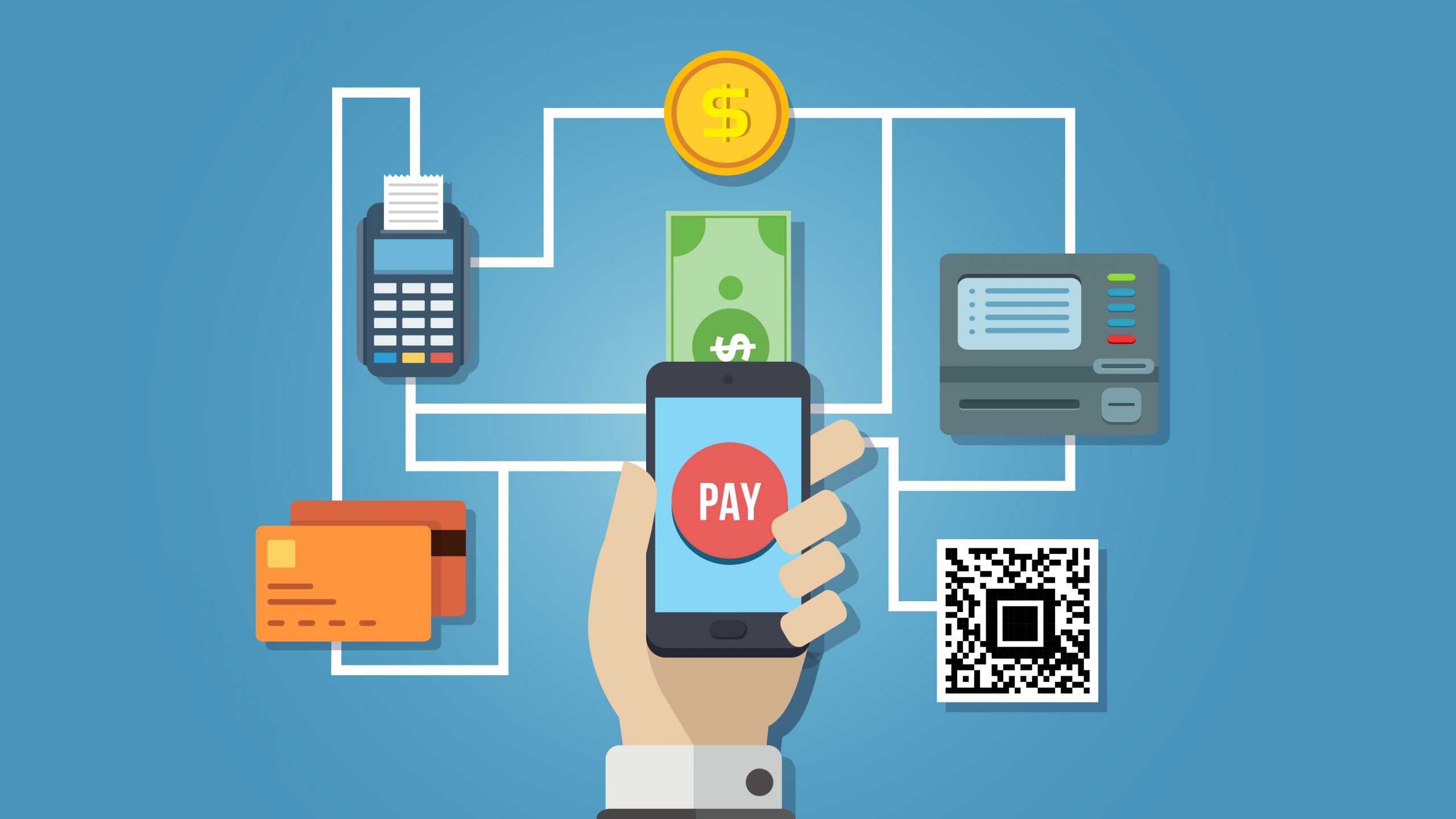
E-Payments: The Digital Revolution in Financial TransactionsE-Payments: The Digital Revolution in Financial Transactions

In a world increasingly driven by technology, e-payments have emerged as a game-changer in how we handle financial transactions. The days of carrying cash, writing checks, or waiting for bank transfers are quickly fading. Today, electronic payments enable individuals and businesses to transact seamlessly, securely, and instantaneously, anywhere in the world. Whether it’s buying groceries, paying for a subscription, or transferring funds between continents, e-payments have streamlined the way we manage money. In this article, we will explore the evolution of e-payments, their benefits, challenges, and the future of digital finance.

What Are E-Payments?

E-payments (electronic payments) refer to any form of financial transaction that occurs through electronic means. Unlike traditional methods like cash or checks, e-payments leverage digital platforms and technologies to facilitate quick and secure payments. Whether it’s sending money via an app, paying for goods online, or processing a cross-border transfer, e-payments cover a wide range of financial activities.

Common types of e-payment systems include:

  • Credit and debit card transactions
  • Digital wallets (e-wallets)
  • Mobile payments
  • Cryptocurrency transactions
  • Bank transfers
  • Buy Now, Pay Later (BNPL) services

The versatility and convenience offered by these systems have driven their widespread adoption across both consumer and business sectors.

The Evolution of E-Payments

The journey of e-payments from their inception to the present day has been a fascinating one. Here's how they have evolved over time:

  1. The Early Days: Credit Cards (1960s – 1980s) The concept of digital payments began with the introduction of credit cards in the 1960s. These cards provided consumers with a way to access credit and make purchases without needing cash. Over the next few decades, the payment card system evolved with the introduction of ATM cards and debit cards, which allowed people to access funds from their bank accounts electronically.

  2. The Rise of Online Payments (1990s – Early 2000s) As the internet became mainstream in the 1990s, online shopping gained traction, and with it, the need for online payment solutions. The emergence of platforms like PayPal (founded in 1998) revolutionized online commerce, allowing people to securely pay for goods and services from the comfort of their homes. This era also saw the rise of online banking, which enabled people to manage their finances and make payments digitally.

  3. Mobile Payment Revolution (2000s – 2010s) The proliferation of smartphones in the 2000s paved the way for mobile payments. With the introduction of Apple Pay, Google Pay, and Samsung Pay, consumers could now store their credit card details securely on their phones and make payments with a simple tap at POS terminals. The development of NFC (Near Field Communication) technology further streamlined mobile payments, making them faster and more secure.

  4. Cryptocurrency Payments (2009 – Present) In 2009, Bitcoin introduced the world to cryptocurrency, a decentralized form of digital currency. Powered by blockchain technology, cryptocurrencies like Bitcoin, Ethereum, and Ripple offer an alternative to traditional bank-based payment systems. Cryptocurrency transactions are known for their low transaction fees, cross-border speed, and enhanced privacy. Although adoption is still in the early stages, cryptocurrencies are rapidly gaining attention as a viable means of making payments.

  5. The Emergence of BNPL (2010s – Present) The rise of Buy Now, Pay Later (BNPL) services like Klarna, Afterpay, and Affirm has revolutionized consumer credit. These services allow users to purchase items and pay for them in installments, often without interest if paid within a given period. This model has become popular among younger consumers who may not have access to traditional credit cards but want the flexibility to manage their finances.

Types of E-Payment Systems

The range of e-payment systems available today is vast, each offering unique advantages to consumers and businesses. Below are the most commonly used types:

  1. Credit and Debit Cards Credit and debit cards are still among the most widely used e-payment methods. Cards linked to Visa, MasterCard, or American Express are accepted globally, making them convenient for online and in-store purchases. With the rise of contactless payments, consumers can now make payments by simply tapping their cards on NFC-enabled POS terminals.

  2. Digital Wallets (E-Wallets) Digital wallets like PayPal, Apple Pay, Google Pay, and Venmo have become essential for digital transactions. These e-wallets allow users to store credit/debit card information securely, making transactions fast and easy. Many e-wallets also offer features like peer-to-peer payments, loyalty rewards, and bill payment options, making them versatile tools for everyday transactions.

  3. Mobile Payments Mobile payments are growing in popularity, especially in markets with high smartphone penetration. Platforms like Apple Pay, Samsung Pay, and Google Pay allow users to make payments by simply tapping their smartphones against contactless terminals. This form of payment uses Near Field Communication (NFC) technology to transmit payment information securely.

  4. Cryptocurrencies Cryptocurrencies such as Bitcoin, Ethereum, and Litecoin allow individuals to make peer-to-peer payments without needing intermediaries like banks. Cryptocurrencies operate on decentralized blockchain networks, offering transparency and security. While cryptocurrencies are still not widely accepted as mainstream payment methods, their potential for reducing cross-border transaction costs and time is undeniable.

  5. Bank Transfers Bank transfers are one of the oldest forms of electronic payments. With the rise of online banking, customers can now transfer money between accounts, pay bills, or make international payments directly from their bank's website or mobile app. In many countries, systems like SEPA (Single Euro Payments Area) and ACH (Automated Clearing House) have made bank transfers faster and more cost-effective, especially for cross-border transactions.

  6. Buy Now, Pay Later (BNPL) Services BNPL services like Klarna, Afterpay, and Affirm offer consumers the flexibility to purchase items and pay in installments. These services have become particularly popular in the e-commerce sector, allowing consumers to shop now and pay later, often with zero interest if the balance is paid off within a specific time period.

Benefits of E-Payments

The growth of e-payments can be attributed to several key advantages they offer to consumers, businesses, and the global economy:

  1. Convenience One of the most significant advantages of e-payments is convenience. Consumers no longer need to carry physical cash or visit a bank to transfer money. With just a smartphone or computer, payments can be made in seconds, whether for shopping, sending money, or paying bills.

  2. Speed payment gateway s are processed quickly, often in real-time, allowing consumers to make transactions and receive funds immediately. This speed is a critical factor for businesses that need to streamline operations and consumers who expect instant gratification when making purchases.

  3. Security With advanced encryption technologies, two-factor authentication (2FA), and tokenization, e-payment systems are generally considered to be more secure than traditional payment methods. Cryptocurrency payments take security to the next level, with blockchain technology ensuring the integrity of each transaction.

  4. Global Reach E-payments are not restricted by geographic boundaries. Whether you're making a purchase from a local store or sending money to a family member overseas, digital payment systems make cross-border transactions faster and more affordable compared to traditional bank transfers.

  5. Lower Transaction Costs E-payments are often more cost-effective than traditional payment methods. For businesses, there are no physical transaction fees associated with handling cash, and processing fees are generally lower than those associated with credit card payments. For consumers, e-payment services often offer lower transaction fees and better exchange rates for international payments.

  6. Financial Inclusion E-payment systems have opened doors for millions of people who were previously excluded from traditional banking services. By using mobile phones and digital wallets, unbanked individuals in rural areas or developing countries can now participate in the digital economy, send money, and receive payments with ease.

Challenges of E-Payments

Despite their numerous advantages, e-payment systems face several challenges that need to be addressed:

  1. Cybersecurity Risks As the number of e-payments grows, so does the risk of cybercrime. Phishing attacks, data breaches, and fraud are persistent threats to users and businesses alike. Secure payment systems, encryption, and constant vigilance are necessary to mitigate these risks.

  2. Privacy Concerns E-payment systems often require users to share sensitive financial and personal information, raising privacy concerns. Companies must ensure they comply with data protection regulations (like the General Data Protection Regulation (GDPR) in the EU) to maintain consumer trust and protect user data.

  3. Digital Divide While e-payments are becoming more accessible, there is still a digital divide in many regions of the world. People without access to smartphones or the internet remain excluded from the benefits of digital payment systems, hindering financial inclusion.

  4. Regulatory Challenges The rapid growth of e-payments presents regulatory challenges for governments. Ensuring consumer protection, combating money laundering, and creating tax policies for digital transactions are ongoing concerns. Regulatory frameworks will need to evolve to keep up with the changing landscape of global digital payments.

The Future of E-Payments

Looking ahead, the future of e-payments appears promising, with several exciting trends shaping the next generation of digital finance:

  1. Artificial Intelligence and Machine Learning AI and machine learning will play a crucial role in improving fraud detection, personalizing payment experiences, and enhancing customer service. These technologies can analyze vast amounts of transaction data to identify suspicious activity and enhance security.

  2. Biometric Authentication Biometric payment systems, such as fingerprint scanning, facial recognition, and voice recognition, are likely to become more mainstream. These methods offer enhanced security and convenience, reducing the reliance on passwords and PINs.

  3. Blockchain and Cryptocurrencies Blockchain technology will continue to transform the financial sector by providing decentralized, secure, and transparent payment systems. Cryptocurrencies, particularly central bank digital currencies (CBDCs), may eventually be integrated into traditional payment systems, further disrupting the financial ecosystem.

  4. Internet of Things (IoT) and Payments The IoT is expected to revolutionize e-payments by enabling autonomous payments through connected devices. From smart refrigerators automatically ordering groceries to self-driving cars paying for fuel, IoT-enabled payments will create a seamless, interconnected financial environment.

Conclusion

E-payments have significantly transformed the way individuals and businesses engage with money. They offer unparalleled convenience, speed, and security, while driving financial inclusion and reducing transaction costs. As digital payment systems continue to evolve, emerging technologies like blockchain, AI, and biometric authentication will further enhance their efficiency and security. However, challenges such as cybersecurity risks, privacy concerns, and regulatory frameworks need to be addressed to ensure the sustainable growth of e-payments. As we move toward a fully digital economy, e-payments will remain at the forefront of the ongoing financial revolution.

The Fascinating World of Diamonds: Nature’s Ultimate GemThe Fascinating World of Diamonds: Nature’s Ultimate Gem

Diamonds are among the most captivating and prized materials on Earth. For centuries, they have symbolized wealth, luxury, and love, captivating human imagination and becoming the ultimate symbol of elegance and prestige. But what makes diamonds so special? In this article, we will explore the history, formation, characteristics, uses, and significance of diamonds.

1. What is a Diamond?

A diamond is a precious gemstone that consists of pure carbon atoms arranged in a crystal lattice structure. This arrangement is what makes diamonds the hardest known natural material on Earth, with a rating of 10 on the Mohs scale of mineral hardness. Diamonds are formed under extreme pressure and temperature conditions deep within the Earth’s mantle, typically at depths of around 90 miles (150 kilometers) or more, where the right conditions allow carbon atoms to crystallize into a diamond structure.

2. The Formation of Diamonds

Diamonds are created through a unique geological process. Over millions of years, carbon atoms are subjected to intense heat and pressure beneath the Earth’s surface. The carbon atoms bond in a crystalline structure, and the result is the formation of diamonds. These diamonds are then transported to the Earth’s surface by volcanic eruptions through kimberlite pipes, where they are mined.

The age of most diamonds can vary significantly. Some diamonds are billions of years old, having formed in the early days of the Earth. Others may have formed much more recently, but regardless of their age, each diamond is a testament to the immense natural forces at work beneath the Earth.

3. The 4 Cs: How Diamonds Are Graded

When it comes to purchasing diamonds, their value is determined by a set of criteria known as the "4 Cs." These include:

  • Carat Weight: This refers to the size of the diamond. One carat is equivalent to 200 milligrams. Larger diamonds are rarer and more expensive.

  • Cut: The cut refers to how well the diamond has been shaped and faceted. A well-cut diamond will exhibit brilliance and sparkle, while a poorly cut diamond may appear dull, even if it is large and of high quality.

  • Color: Diamonds are graded based on the absence of color. The most valuable diamonds are colorless, but diamonds can also be found in various shades, ranging from near colorless to yellow, brown, and even rare colors such as blue, pink, or green.

  • Clarity: Clarity refers to the presence of internal or external imperfections, known as inclusions and blemishes. A flawless diamond is rare and therefore commands a higher price.

These 4 Cs together help buyers understand the overall quality of the diamond and determine its value in the marketplace.

4. Uses of Diamonds

Diamonds are not just a symbol of romance and luxury, but they also have practical applications. Their exceptional hardness makes them useful in a variety of industries. Some key uses of diamonds include:

  • Jewelry: Diamonds have long been used in rings, necklaces, earrings, and bracelets. The most famous use of lab grown diamond hong kong s is in engagement rings, where they represent everlasting love and commitment.

  • Industrial Applications: Due to their hardness, diamonds are used in cutting, grinding, drilling, and polishing tools. In industries such as mining and construction, diamonds are indispensable for their durability and ability to cut through hard materials.

  • Technology: Diamonds have unique properties that make them valuable in electronics and quantum computing. Their thermal conductivity and optical properties make them ideal for certain high-tech applications, such as in semiconductors and lasers.

5. Diamond Mining

The mining of diamonds is an incredibly complex and labor-intensive process. Diamonds are typically found in kimberlite pipes and alluvial deposits. The process begins with the discovery of diamond-rich areas, followed by excavation and extraction. Major diamond-producing countries include Russia, Botswana, Canada, Australia, and South Africa.

However, diamond mining has raised ethical concerns over the years, particularly with regard to so-called "blood diamonds" or "conflict diamonds." These diamonds are mined in war zones and sold to finance armed conflicts against governments. To combat this, international organizations like the Kimberley Process Certification Scheme have been established to prevent the trade of conflict diamonds and promote ethical mining practices.

6. Diamonds in Culture and History

Diamonds have been highly revered throughout history. In ancient India, diamonds were considered to possess mystical properties and were used in religious ceremonies. The word "diamond" comes from the Greek word "adamas," meaning "unconquerable" or "invincible," reflecting the diamond's indestructibility.

Diamonds also hold great significance in various cultures. In the West, they are a traditional symbol of love and commitment, particularly when set in engagement rings. The phrase "A diamond is forever," coined by the De Beers company in the 1940s, became a powerful marketing slogan that reinforced diamonds as the ultimate symbol of lasting love.

7. The Future of Diamonds

As technology advances, new innovations in diamond production are emerging. One of the most exciting developments is the creation of synthetic diamonds, which are laboratory-grown but possess the same physical, chemical, and optical properties as natural diamonds. These diamonds offer an ethical and sustainable alternative to mined diamonds, as they do not require the same environmental impact or labor-intensive mining practices.

Moreover, diamonds continue to be a subject of fascination in the field of quantum computing and advanced technologies, where their unique properties may play a significant role in the development of new materials and systems.

Conclusion

Diamonds remain one of the most sought-after and fascinating substances on Earth. Their formation is a marvel of nature, and their uses extend far beyond jewelry. From industrial applications to their cultural and symbolic importance, diamonds hold a special place in human history. As technology progresses, the future of diamonds is likely to evolve, but their allure and timeless beauty will remain ever relevant. Whether natural or lab-grown, diamonds will continue to captivate us for generations to come.